As a rubber cable supplier, I get this question at least once a week from specifiers, project managers, and even small business owners who’re planning for future installations or storing inventory for upcoming jobs. “Does rubber cable have a long shelf life?” It’s not a trivial question—wrong storage choices can turn a perfectly good spool into something that fails when you need it most, costing time, money, and even safety in industrial or outdoor settings. Let’s break this down with real, practical insights I’ve gained working with rubber cables daily, mixed with the science that backs up how they hold up over time. Rubber Cable

First, let’s clarify what rubber cable actually is, because that’s the foundation for its shelf life. Unlike PVC cables, which use rigid plastic insulation, rubber cables use elastomers—natural or synthetic rubber compounds, like neoprene, EPDM, or nitrile, that stretch, flex, and resist extreme conditions. That flexibility is what makes them ideal for heavy-duty uses: construction sites, marine applications, outdoor extension cords, mining equipment, and industrial machinery that vibrates or shifts. But elastomers are organic materials, which means they degrade over time, just like any other natural substance. The key isn’t just “how long do they last” but what causes that degradation, and how to extend it.
From what I’ve observed in 12 years as a supplier, the average shelf life of unopened, properly stored rubber cable is between 10 and 20 years. That’s not a random number—it’s based on data from cable manufacturers and industry tests I’ve reviewed, plus hundreds of inventory checks we’ve done at our warehouse. But here’s the catch: that number only applies to cable that’s never been unwound, exposed to harmful elements, or mishandled. If you store a spool in the back of a hot garage for five years, it might not last a third of that. If you leave it in a damp, dusty construction yard exposed to sunlight, it could go bad in two or three.
Let’s get into the science of why that happens. Elastomers degrade through two main processes: oxidation and hydrolysis. Oxidation is when oxygen in the air reacts with the rubber’s molecular structure, breaking the long polymer chains that give it flexibility. That’s why you might pull a 10-year-old rubber extension cord out of a closet and notice it’s cracked, stiff, or brittle—its insulation has oxidized too much. Hydrolysis is when moisture (water, humidity) breaks down the rubber’s compounds, especially if there are additives like plasticizers or antioxidants that react with water over time. That’s a big issue for cables stored in basements, near bodies of water, or in areas with high humidity.
UV radiation from sunlight is another major factor. Rubber is designed to resist sunlight, but that resistance isn’t permanent. Even the most weather-resistant neoprene insulation will start to break down if left in direct sunlight for months without a protective jacket. We had a client last year who stored 50 spools of EPDM cable for a water treatment plant on an open dock, no covering, for 18 months. When we tested them, the insulation was discolored, and pulling a wire out showed small cracks along the jacket. That cable ended up being unusable, and he lost thousands of dollars because he didn’t store it properly.
Now, what about opened spools? That’s a different scenario. Once you unwind a section of rubber cable, the insulation is exposed to oxygen and environmental factors, so its shelf life drops dramatically. A cable that’s good for 15 years in a closed spool might only last 2 to 3 years once opened, especially if it’s left coiled loosely in a drawer or rolled up on a workbench. The flexing from unwinding also accelerates degradation—bending the cable repeatedly causes micro-tears in the insulation, which let moisture and oxygen get in faster.
But here’s the good news: there are specific steps to extend rubber cable’s shelf life, and as a supplier, we train every customer on these when they pick up an order. Let’s list them out because they’re simple, but they make a huge difference. First, storage temperature. Elastomers hate extreme heat and cold. The ideal storage temp is between 10°C (50°F) and 25°C (77°F). If you can store your cable in a climate-controlled space, that’s best. Never leave it near boilers, furnaces, or in uninsulated buildings where temperatures drop below freezing for long periods. Freezing can make rubber brittle, and heat speeds up oxidation so much that a cable stored in a 35°C (95°F) warehouse can lose half its shelf life in just five years.
Second, keep it dry and away from chemicals. Moisture is bad, but so are oils, solvents, and other chemicals that might be in a storage area. Rubber is resistant to many chemicals, but prolonged exposure to things like gasoline, hydraulic fluid, or cleaning agents will break down the insulation. We always tell customers to store cables away from work areas where these chemicals are used, and if they have to put them in a garage, cover them with a plastic tarp to keep dust and spills off.
Third, store unopened spools on their sides, not standing upright. Wait, that sounds trivial, but it’s not. Standing a spool on its edge for years can cause the inner layers of cable to flatten under the weight of the outer layers, creating permanent stress points in the insulation. Those stress points are where cracks start to form, even if the spool is in good conditions. Storing them on a flat shelf or a pallet, with the weight evenly distributed, prevents that.
Fourth, avoid storing near sharp objects or abrasive materials. Even unopened, a spool’s plastic wrapper can tear, exposing the rubber to dust or physical damage. Keep spools away from metal tools, construction debris, or any other items that could puncture the wrapper or the insulation.
I mentioned antioxidants earlier—those are additives manufacturers put in rubber cable to slow oxidation. But antioxidants have a limited lifespan, too. They get used up over time, which is why even the best quality rubber cable will eventually degrade. That’s why checking “manufacture date” is important, not just the shelf life estimate. We stamp every spool with the production date, and we advise customers to use the oldest stock first—FIFO, basically—just like food. It sounds basic, but you’d be surprised how many people order a new shipment and leave the older spools in the back, then wonder why they fail.
Let’s talk about real-world examples, not just lab tests. Last year, we supplied a mining company with 200 spools of nitrile rubber cable for underground equipment. They stored them in a dry, climate-controlled warehouse, unopened, and used them over a seven-year period. When we pulled a sample of the last spool to test, the insulation was still flexible, no cracks, and electrical resistance was well within industry standards. That’s right on track with our 10–20 year shelf life. On the other hand, a landscaper we work with stores his rubber extension cords in an unheated shed, where winter temperatures drop to 0°F for three months. He told us last spring that half his cords cracked when he tried to unwind them, three years after he bought them. That’s a perfect example of how bad storage cuts shelf life short.
Another common question: is there a way to test if stored rubber cable is still good before installation? Absolutely. We tell customers to do a simple visual check first. Look for discoloration (yellowing, graying), cracks, brittleness (bend a small section—if it doesn’t flex without cracking, it’s bad), or stickiness (that’s a sign the rubber is breaking down). For industrial applications, you can also do an insulation resistance test with a multimeter or a cable tester. If the resistance is below 1 megohm per 1000 feet, the insulation is compromised, and the cable shouldn’t be used.
Now, let’s compare rubber to other cable types to put this in perspective. PVC cables, for example, typically have a shelf life of 5 to 10 years, half of rubber’s, because PVC plasticizes over time, becoming brittle. Cross-linked polyethylene (XLPE) cables are closer to rubber, around 15–25 years, but they’re not as flexible in extreme cold, so rubber is still the better choice for many heavy-duty uses. So when it comes to long shelf life for outdoor or industrial cable, rubber is one of the best options on the market.
As a supplier, I also want to be honest about the exceptions. Some rubber compounds have shorter shelf lives than others. Natural rubber, for example, is cheaper but oxidizes faster, so its shelf life is around 8–12 years, compared to synthetic compounds like EPDM, which last 15–20 years, and neoprene, which is even more resistant, up to 25 years. That’s why we work with customers to choose the right rubber type for their storage conditions—if you’re storing cable for a long time, investing in neoprene or EPDM will give you a longer shelf life than natural rubber.
What about if you need to store opened cable? Let’s say you have a 50-foot length of rubber cable you used part of, and you want to keep the rest for later. The best way to store it is to clean the insulation with a dry cloth, coil it loosely (not tight, tight coils create stress), wrap it in a plastic bag to keep out moisture and dust, and store it in a cool, dry place. Don’t leave it coiled tight in a corner, and don’t store it near chemicals. Even with that, it’s only good for 1–2 years, but that’s the best you can do for opened cable.
I’ve had customers ask me if it’s okay to buy rubber cable in bulk for a future project, and the answer is yes, as long as you plan for proper storage. We’ve had clients buy spools two or three years in advance, store them in our climate-controlled warehouse (we offer short-term storage for customers, by the way), and pick them up when they’re ready to use. When we test those cables, they’re still in perfect condition. But if you buy bulk and store it improperly, you’re throwing money away.
Let’s wrap this up with a clear takeaway: rubber cable can have a long shelf life, often 10–20 years for unopened, properly stored spools, but that number depends almost entirely on how you store it. The biggest threats are heat, moisture, UV light, chemicals, and physical stress. By following simple storage rules—climate control, dry environment, avoiding extreme temps, proper spool positioning, and checking the manufacture date—you can maximize your rubber cable’s lifespan.
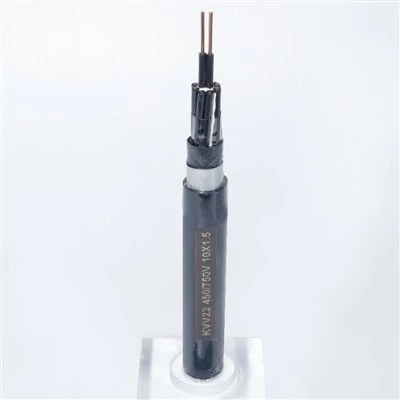
If you’re planning to stock rubber cable for a project, or you’re not sure how to store the cable you already have, reach out to our team. We’re not just a supplier—we work with customers to choose the right cable for their needs, and we can help you set up a storage plan that keeps your inventory in good condition for years. Whether you’re a construction company, a marine business, a distributor, or a small business, we have the products and expertise to meet your needs.
Aluminum Cable References
- Underwriters Laboratories (UL). “Standard for Safety for Rubber Insulated Cords and Cables,” UL 62, 2022.
- International Electrotechnical Commission (IEC). “Elastomeric Insulated Cables for Power and Control Applications,” IEC 60245, 2021.
- Cable and Connectivity Industry Association (CCIA). “Storage Guidelines for Electrical Cables,” CCIA Technical Bulletin 12, 2020.
- “Degradation of Elastomers: Causes, Testing, and Mitigation,” Rubber Chemistry and Technology, Vol. 93, No. 3, 2020.
Anhui Huawang Cable Co., Ltd.
As one of the most professional rubber cable manufacturers and suppliers in China, we also support customized service. If you’re going to buy discount rubber cable, welcome to get pricelist from our factory. Quality products and reasonable price are available.
Address: No.32, East Street, Batian Street, Datong Town, Tianchang City, Anhui Province
E-mail: Linda@huawangcable.com
WebSite: https://www.huawang-cable.com/
