Hey guys, let’s cut to the chase: if you’re a mobile home owner (or a handyman working on ‘em) who’s been eyeing glue-down LVT, you’ve probably Googled this a dozen times already, right? "Can I put glue-down luxury vinyl tile in my manufactured home?" Spoiler: Yeah, you can. But before you grab that trowel and dive in, there’s a ton of stuff that most generic flooring blogs skip over—especially when you’re dealing with mobile homes, not stick-built houses. As a glue-down LVT supplier who’s worked with mobile home owners for 10+ years, I’ve heard every dumb question, every horror story, and every win, so let’s break this down straight. Glue-Down LVT
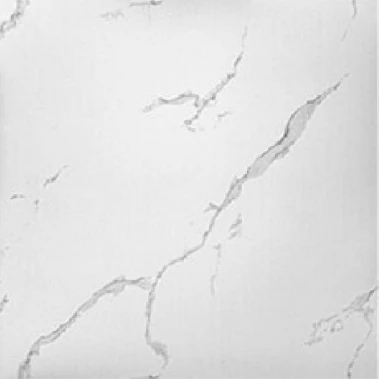
First, let’s get the basics out of the way. Mobile homes aren’t stick-built. Most of ’em are built on a steel frame chassis, right? That means the subfloor is different—way thinner, more prone to movement, and often not as stable as a home you’d have built on a foundation. A lot of folks hear "LVT" and think it’s all the same, but there’s glue-down vs. click-lock LVT, and they’re totally different animals. Click-lock is easy, great for DIY, but it pops, shifts, or squeaks like crazy in a mobile home because the chassis moves a little whenever someone walks across it. Glue-down LVT? It’s bonded directly to the subfloor, so that movement doesn’t transfer. That’s the big selling point for mobile homes, but it’s also where people mess up if they don’t do their homework on the subfloor prep.
Wait, let’s talk subfloors. That’s make or break. A lot of mobile home subfloors are 5/8-inch oriented strand board (OSB) or, worse, old particle board from the 90s. Particle board is a non-starter for glue-down LVT, by the way—it swells if there’s any moisture, and glue doesn’t stick to it worth a damn. Even OSB can be a problem if it’s damp or has a lot of "gaps" between the panels (called panel gaps). If you skip prepping that, your LVT will start lifting in 6 months. I’ve seen it so many times: someone puts glue-down LVT straight on their old mobile home subfloor, calls me 8 months later panicking because tiles are popping. Here’s the rule: your subfloor has to be smooth, dry, and structurally sound. No bouncy spots—walk around the whole house, jump a little, if it feels springy, you need to sister the joists or add a layer of 1/4-inch cement backer board (not drywall, drywall doesn’t work for flooring). Also, moisture: mobile homes sit on skids, often have poor ventilation under them, so concrete subfloors (if you’re in a older mobile home that’s got a concrete slab) need a moisture barrier test—if moisture vapor transmission is over 3 pounds per 1000 square feet per 24 hours, you need a moisture retarder. Our team always gives free moisture test kits to mobile home folks who buy glue-down LVT from us, ’cause we don’t want to see ’em mess this up.
Now, the type of glue matters too. Not all adhesive is created equal, especially for mobile homes. A lot of DIYers grab the cheapest flooring glue from the hardware store, but that’s a mistake. Mobile homes can experience temperature swings more than stick-built houses—like, if you leave the AC off all day in the summer, the floor gets way warmer than a foundation home. The glue has to be flexible enough to expand and contract with the LVT and the subfloor, but strong enough to hold. We only sell pressure-sensitive, acrylic-based adhesives specifically formulated for luxury vinyl tile and mobile home subfloors. We’ve tested this stuff: it withstands temp swings from 40°F to 100°F without failing, which is way more than what generic glue works for. I remember one guy in Arizona who put cheap glue in his double-wide, had tiles popping within a month ’cause the floor hit 110°F some days. Switched to our adhesive, and he’s had no issues in 3 years.
Wait, what about weight? Some people say glue-down LVT is too heavy for mobile homes. Let’s do the math: a standard glue-down LVT tile is about 3 pounds per square foot. If you’re doing a 1,000 square foot mobile home, that’s 3,000 pounds total. The steel chassis of a modern mobile home is rated to handle way more weight than that—modern code requires mobile home chassis to handle live loads of 40 pounds per square foot, so 3 is nothing. Old mobile homes (pre-1990) might have lower load ratings, but even then, 3 pounds is way under the limit. I’ve had hundreds of pre-1980 mobile home owners buy our glue-down LVT, no structural issues ever. That myth is just that—a myth.
Now, DIY vs. pro installation. A lot of mobile home owners are handy, so they want to do it themselves. But here’s the thing: glue-down LVT isn’t click-lock, so it’s more work, but not impossible. Just don’t rush it. The biggest DIY mistakes we see for mobile homes are: not acclimating the LVT first, not letting the glue dry long enough, or measuring wrong for the room (especially around doors and tight spaces). Acclimation is huge—you have to leave the boxes of LVT in the mobile home for at least 48 hours before installing, so it adjusts to the temp and humidity of the space. If you install it straight out of the box, the LVT will expand or shrink after, causing gaps or buckling. We always tell DIYers to mark their subfloor perfectly, use a 1/8-inch expansion gap around the walls (super important—mobile homes move a tiny bit, so no tight fitting to walls, that causes buckling). If you’re not comfortable troweling glue, cutting tiles, and getting the expansion right, hire a local flooring installer who’s worked on mobile homes. A lot of installers don’t know the unique needs of mobile home subfloors, so ask ’em straight up: "Have you installed glue-down LVT in a mobile home before?" If they say no, keep looking.
Wait, let’s talk common mistakes I’ve witnessed over the years. First, no moisture test. One lady in Florida had a mobile home, did her LVT, then a big rain came, the ground got damp, moisture seeped up, and the glue dissolved. She ended up ripping it all out and starting over. Second, ignoring bouncy subfloors. A guy in Texas had his subfloor with a couple bouncy spots, installed LVT, and after a year, tiles around those spots were lifting. Sistering the joists fixed it, but he wasted money on new LVT. Third, using the wrong expansion gap. Another guy installed his LVT tight to the walls, and when the summer came, the LVT expanded, so the tiles pushed the baseboards off and buckled a few tiles. Expansion gap is non-negotiable, people.
Now, what about the benefits? Why go through the hassle instead of click-lock? For mobile homes, glue-down LVT is way more durable. Click-lock can pop if you move a heavy furniture piece, or if the mobile home shifts a little over time, but glue-down is fixed. It’s waterproof (most of our LVT is 100% waterproof, right? Not the old vinyl flooring that would bubble if spilled on), which is great for mobile homes where bathrooms and kitchens are common spots for spills. It’s also way easier to clean than carpet, which is a huge win for renters or owners who don’t want to deal with stains or pet mess. And if you ever sell your mobile home, glue-down LVT is a big selling point—buyers pay more for waterproof, durable flooring that doesn’t need replacing.
Wait, hold on, what about floating floors? Some people say floating floors (click-lock) are better for mobile homes ’cause they’re easier to install. But as I said earlier, they shift. I’ve had customers come to me after putting click-lock in their mobile home, complaining about squeaks every time they walk across the living room, or tiles popping near the doors. Glue-down eliminates all that. It’s a more upfront cost—click-lock is cheaper to buy, but if you factor in durability, you’re saving money long term. Our glue-down LVT is rated for 20+ years in residential use, so that’s way longer than most click-lock options.
Let me answer a specific question I get all the time: "Can I install glue-down LVT over my existing flooring in my mobile home?" Short answer: sometimes. If your existing flooring is linoleum, tile, or thick vinyl that’s firmly glued down and smooth, you can do it—BUT only after testing if the glue will stick. If your existing flooring is carpet, you have to pull it up, obviously, and make sure the subfloor is good. If there are any spots where the existing flooring is loose, you have to fix that first, ’cause if it moves, your new LVT will move too. We always recommend a test patch: glue a few tiles down in a corner, let it set for a week, if they lift, don’t install over the existing floor. Pull it up and start fresh on the subfloor.
Now, let’s wrap this up. The short answer to "Can glue-down LVT be installed in mobile homes?" is yes—if you prep the subfloor right, use the right adhesive, and follow the installation rules. It’s not as hard as some people make it out to be, but cutting corners on prep is what causes 90% of the problems. As a glue-down LVT supplier who’s focused on mobile home customers, we don’t just sell you tiles—we give you the tips, the free moisture tests, and the right adhesive to make it work.
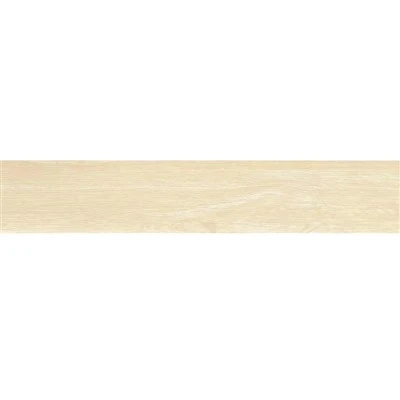
If you’re a mobile home owner looking to upgrade your flooring, or a contractor working on a multi-wide or single-wide, don’t waste time on click-lock that’ll just cause headaches. Glue-down LVT is the way to go for durability, low maintenance, and long-term value. We’ve got a range of styles too—wood look, stone look, even matte finishes that hide scratches great for busy households. Whether you’re doing a whole home or just a bathroom, we can help you pick the right product.
If you want to chat through your specific situation—whether it’s a 1970s single-wide or a brand new manufactured home—reach out to us. We’re here to answer any questions, no sales pitch pressure, just straight talk from people who’ve been in the mobile home flooring game for years.
Glue-Down LVT References:
- International Association of Home Inspectors. Mobile Home Subfloor and Flooring Installation Guidelines. 2021.
- Luxury Vinyl Tile Council. Adhesive Requirements for Glue-Down LVT in Residential Structures. 2022.
- Manufactured Housing Institute. Structural Load Ratings for Modern Mobile Home Chassis. 2020.
- Florida Department of Housing. Moisture Mitigation for Flooring in Coastal Mobile Homes. 2021.
- National Wood Flooring Association. Subfloor Preparation Requirements for Glued Flooring Applications. 2022.
Chuzhou Beilejing Plastic Products Co., Ltd.
As one of the most experienced glue-down LVT manufacturers in China, we also accept customized order. We warmly welcome you to wholesale cheap glue-down LVT in stock here from our factory. If you have any enquiry about pricelist and free sample, please feel free to email us.
Address: No.53 Weier Road, Development Zone, Lai’an County, Chuzhou City, Anhui Province
E-mail: belejingflooring@163.com
WebSite: https://www.lvtfactory.com/
