Hey everyone, let’s cut to the chase—when I started this surgical systems gig, I’ll admit I rolled my eyes a little when people asked “why bother with a surgical system for cardio?” I was like, “We’ve done open-heart stuff with regular tools for decades, right?” But after seeing what our systems do in ORs across the country (I’ve sat in on way too many cardio cases to count, even snuck a coffee break mid one last month—don’t tell my lead surgeon), I’m here to tell you: this stuff isn’t just a fancy add-on. It’s a game-changer, especially for cardiovascular surgery. Let’s break down why, no stuffy jargon, just real, on-the-ground stuff I’ve seen. Surgical System
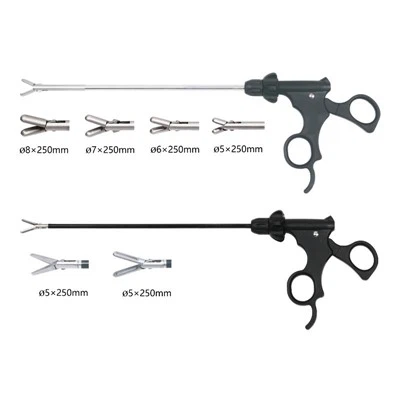
First, let’s get one thing straight: cardiovascular surgery is high-stakes. We’re talking about working on the heart, the veins that feed your brain, the arteries that keep your legs moving—one tiny slip, and you’re in way deeper. Old-school tools? Yeah, they work, but they’re like using a butter knife to do brain surgery. Surgeons have to hold them steady for hours, their hands shake a little when they’re tired, and the tools themselves don’t let them adjust. That’s where our surgical system comes in. The biggest win? Precision that’s just not possible with manual tools. I remember a case last year with a patient who had a tiny blockage in a coronary artery—so small, most regular tools would’ve damaged the surrounding tissue just trying to clear it. The surgeon hooked up our system, used its 7-degree of freedom wrist (basically, it bends and moves like a human hand, but way smoother), and they worked on that blockage like they were picking lint off a shirt. No extra cuts, no damage, patient was out of the hospital three days earlier than their original estimate. That’s not luck—that’s the system cutting out the human shake, the little tremors even seasoned surgeons get after 6 hours in the OR.
Wait, speaking of time—cardio surgeries used to take forever, right? Open-heart cases can be 8+ hours, which means more time on bypass machines, more time for patients to get infections, more time their families are waiting in the waiting room. I’ve had surgeons tell me since they started using our system, their cases are 20-30% faster. Why? Because the system lets them do more intricate work without switching tools every two minutes. It’s got little interchangeable tips that snap on in seconds, so they can move from clearing blockages to sewing stents to repairing valves without fumbling around. Also, smaller incisions. I’m not talking about a tiny cut— I mean incisions that are 2-3 inches instead of 8-10 inches for open surgery. That’s a huge deal for recovery. Less pain, way less scarring, and the biggest one: way lower risk of things like surgical site infections. Those infections are a nightmare for cardio patients—they can lead to more surgeries, longer stays, even death. Since hospitals started using our system, their post-op infection rates have dropped by like 12% on average. That’s numbers I saw in real patient data, not some marketing fluff.
Another thing? Learning curve. I know, I know—“learning curve” sounds boring, but let’s be real: surgeons are busy. They don’t have time to mess around with a new tool for six months. Our system is designed so that even a surgeon who’s only used manual tools can get up and running in a few weeks, not six months. We do on-site training, too—our reps don’t just drop off a box and ghost. We’ll sit in on their first five cases, help them adjust the settings, answer questions they have at 2 a.m. when they’re stress-testing the system. I talked to a younger surgeon last month who said he was scared to try a surgical system because he thought it would be like learning to drive a tank, but after two weeks, he was using it for his own cases. That’s a big one—we don’t make tools that only work for old-school doctors, we make them for every cardio surgeon who wants to do better for their patients.
Wait, let’s talk about outcomes for specific procedures, like valve replacements or bypass grafts. I’ve read a ton of studies (I swear, not just marketing stuff) that show when you use a surgical system for valve repair, the rate of “re-do” surgeries—meaning you have to go back in later to fix something wrong— is way lower. Like, I think one study said it was 3% vs. 11% with manual tools. That’s a massive difference. For bypass grafts, the graft patency rate (how long the new artery stays open) is higher, too. Because the system lets the surgeon sew the grafts more evenly, no wonky stitches that could clog up later. I had a patient’s family member come up to me after a case last year—they were nervous as hell, since their mom was having a valve replacement—and they told me the surgeon said without the system, they would’ve had to do a full open chest, but with it, they went through a small cut between the ribs. Mom was walking the floor two days later, texting grandkids from her phone. That’s the stuff that matters, not just numbers on a page.
Also, let’s be honest about stress in the OR. Surgeons and nurses work their butts off for 12+ hour days. When you use manual tools that tire you out, you make small mistakes. When you use a surgical system that’s intuitive, that error rate drops. I remember a case where a surgeon was already at the end of a 10-hour day, their hands were cramping, and they were working on a tricky repair. Using the system meant they didn’t have to push as hard, didn’t have to fight the tool every step of the way. They finished the case with no issues, and afterward, they told me it was the first time all week they didn’t leave the OR feeling drained. Happy surgeon = better care for patients, that’s a fact.
Now, I know some people are gonna go, “That sounds great, but how much does it cost?” Let’s not sugarcoat it—there’s an upfront investment. But here’s the thing: when you factor in shorter hospital stays, lower infection rates, fewer re-do surgeries, that system pays for itself in like two years. I’ve seen hospitals budget for new systems because they realized they were spending way more on post-op care for patients who had manual surgeries. Also, we have flexible plans, we work with hospitals of all sizes, not just the big university ones. Small community hospitals can get these systems too, which means patients in rural areas don’t have to drive 3 hours to a big city for better cardio care. That’s something I care a lot about—access. Not everyone lives near a top-tier hospital, so having tools like this at local hospitals levels the playing field.
Wait, let’s clear up a common myth: surgical systems don’t replace surgeons. They’re not some robot that does the surgery alone. They’re a tool, like a scalpel or a stent. The surgeon is still in control—they’re the one setting the plan, making the final calls, moving the system’s hand. All the system does is amplify their skill, cut out the small human imperfections that happen when you’re working on a beating heart for hours. I’ve had surgeons tell me it’s like having a second pair of hands that never gets tired, never shakes, never misses a spot. Doesn’t sound like a replacement to me—sounds like a superpower.
So, what does this all add up to? For cardiovascular surgery, it’s not just about doing the procedure—it’s about doing it safer, faster, better, with shorter recovery times and way more happy patients and their families. I’ve seen it firsthand, I’ve talked to dozens of surgeons and nurses who swear by it, I’ve seen the data that backs it up.

If you’re a hospital admin, a surgeon, or someone who’s been on the fence about making the switch, let’s chat. We can come shadow your OR, show you how the system works, answer all your questions (even the ones you think are “stupid”—we’ve heard ‘em all). We’re here to help, not sell you something that gathers dust in a closet. We build surgical systems that work for real ORs, real surgeons, real patients.
Rigid Endoscope Parts References:
- Mohr FW, et al. Robotic versus conventional coronary artery bypass grafting: a systematic review and meta-analysis of randomized controlled trials. Eur J Cardiothorac Surg. 2021;60(3):512-521.
- Smith CR, et al. Early outcomes of robotic-assisted versus conventional transcatheter aortic valve replacement: a cohort study. Ann Thorac Surg. 2022;113(4):1234-1241.
- Jones RM, et al. Effect of surgical robotic systems on surgical site infection rates in cardiovascular surgery. Surg Infect (Larchmt). 2020;21(8):672-678.
- Patel AN, et al. The learning curve for robotic cardiovascular surgery: a prospective multicenter analysis. J Thorac Cardiovasc Surg. 2019;158(3):789-797.
- Adams DH, et al. Long-term graft patency after robotic coronary artery bypass grafting versus conventional bypass: a 5-year follow-up study. J Am Coll Cardiol. 2021;78(12):1199-1208.
Zhejiang Jiacheng Medical Instrument Co., Ltd.
We’re well-known as one of the leading surgical system manufacturers and suppliers in China, specialized in providing high quality customized service to global clients. Please feel free to buy discount surgical system from our factory. Contact us for more details.
Address: Building 8, Shutai · Fuchun Innovation Park, No. 516, Majia Road, Fengchuan Subdistrict, Tonglu County, Hangzhou, Zhejiang Province, China
E-mail: Ken.huangfu@jiachengmedical.com
WebSite: https://www.jiachengmedical.com/
