If you’re running (or looking to set up) a dry mortar production line, the last thing you want is subpar product quality killing your reputation. As a supplier of these lines, I’ve worked with dozens of operators who’ve struggled with inconsistent mix ratios, lumpy final products, and costly rejects—all avoidable with small, targeted tweaks, not just a brand-new machine. Let’s break this down like we’re geeking out over a project we actually care about, no stuffy jargon here. Dry Mortar Production Lines
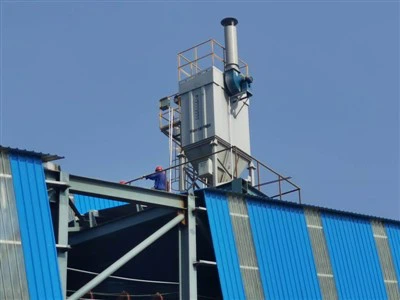
First off, let’s get one thing straight: dry mortar quality starts way before the mixing drum even spins. Most folks I see skip the pre-mixing prep, and that’s where 60% of their quality issues begin. Let’s talk raw materials. If you’re skimping on aggregate checks, that’s your first red flag. Aggregates (sand, fly ash, slag—whatever you’re using) come from different quarries or batches, right? If you’re just dumping them into the hopper without sizing and testing, you’ll get big rocks mixed with fine dust, which leads to segregated mix or weak spots in the final mortar. I’ve had a client last year who was using sand straight from the quarry, no screening, and their tile adhesive was coming out with random hard chunks that made installers mad. We swapped their old vibrating screen for a linear one with adjustable mesh sizes, and their reject rate dropped by 28% in a month. Also, test every batch for moisture content. Sand can hold 2-8% moisture depending on weather—too much, and it throws off the mix ratio, makes mortar sticky or prone to cracking. We add a quick moisture meter (not the cheap $20 one off Amazon, the industrial kind) to every line we sell now, and clients who use it swear by it. No more guessing, no more “wait why did this batch flop?” texts at 8 a.m.
Next, the mixing process itself is make-or-break, and I see so many operators treating this like a “set it and forget it” task. Let’s talk about batch time. A lot of people use the same mix time for every mortar type—like 2 minutes, no matter if it’s a skim coat or a self-leveling compound. Newsflash: that’s not right. Skim coat needs finer particles mixed longer to get a smooth consistency, while self-leveling can be done a bit faster but needs more air incorporation. We calibrate our mixing drums (either planetary or double-shaft, depending on the line) for each product when we install, but operators often adjust it because “it takes too long.” Don’t do that. Also, don’t overfill the mixer. If your batch volume is set to 1,000 liters and you cram 1,200 in, the blades can’t reach all the material, leading to unmixed lumps. I had a small contractor who did this, and his grout was failing on job sites—he thought the problem was the mixer, but it was just him overpacking it. A quick fix: add a level sensor that cuts off material flow when the mixer is 80% full. That’s a $100 add-on that saves you thousands in rework. Also, check the blade condition every 3 months. Blades wear down from constant grinding, so if they’re dull, they won’t mix evenly. We sell replacement blades super cheap, but I’d rather remind you to swap them before your batches turn to mush.
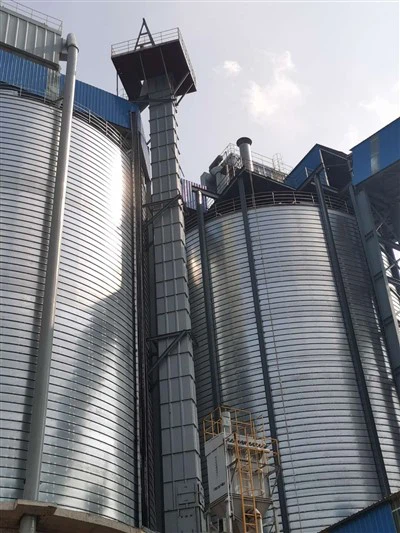
Wait, let’s not skip the storage part after mixing. A lot of lines I see skip proper silo storage, and that’s where quality goes south fast. If your finished mortar is sitting in a silo with wet walls or dust buildup, it’ll absorb moisture, harden in spots, or get contaminated. We recommend adding a silo aeration system that blows small amounts of air through the bottom to keep material fluid—no more caking. Also, keep silos closed when not in use. I’ve heard horror stories of mice getting into silos and leaving droppings, or rain seeping in through loose lids. One client actually had a batch get ruined because a kid knocked over a bucket of paint near the silo—luckily, we adjusted their silo seals the next time we visited. Another thing: labeling your silos is non-negotiable. If you mix a tile adhesive batch in the same silo as a masonry mortar, you’ll cross-contaminate everything. Color-coded lids take 2 minutes to set up, and it eliminates that whole “did I put the right stuff in here?” panic.
Now, let’s talk about calibration and maintenance—these are the unsung heroes of quality. I can’t tell you how many operators run their lines for 6 months without calibrating the weight feeders. If your cement feeder is off by 5%, that throws off the entire mix ratio, and your mortar will be too weak (if you use less cement) or way too expensive (if you use more). We include a free calibration kit with every line we sell, and we train operators to do a quick check every week—just weigh a 10-liter batch of each raw material and compare it to the set weight. If it’s off, adjust the feeder in 2 minutes, no tech call needed. Also, don’t ignore the conveyor belts. If your belt is slipping, you’re not moving the right amount of material, leading to inconsistent batches. Tighten the rollers every month, and check for wear on the belt edges—split belts mean spilled material and missed mix components. I’ve had clients who put off belt repairs and ended up losing 2-3 hours of production because of a jam, plus a batch that was missing sand.
Here’s a pro tip I only share with regulars: test your final product on-site, not just in the lab. A lot of operators send a sample to a lab, but lab conditions are controlled—your actual job sites have different temperatures, humidity, and surface types. Do small test patches on a few different substrates (concrete, tile, wood) to see how the mortar sets, adheres, and dries. Last quarter, a client tested our line’s new self-leveling mortar on a old warehouse floor, and it didn’t flow right—we adjusted the mixing time on their line in 10 minutes, and it worked perfectly. No lab could’ve caught that specific issue because they test on smooth concrete.
Wait, should I mention staffing? Yeah, because even the best line can’t fix a careless operator. Train your team on every part of the line, not just “push the start button.” I see too many places where one person runs the whole thing and doesn’t know how to troubleshoot a moisture meter or adjust a blade. We offer on-site training for all our clients, and even 30-minute refreshers every 6 months—nothing fancy, just going over common issues and quick fixes. A good operator will spot a problem before it becomes a batch reject, saving you money and time.
At the end of the day, improving dry mortar quality isn’t about buying the fanciest line—It’s about paying attention to the small stuff: raw material prep, mixing times, storage, calibration, and your team’s know-how. If you’re setting up a new line or looking to upgrade your existing one, we’ve got all the parts and support to help you nail this. If you want to chat through your specific setup, ask questions, or get a quote, just reach out—we’re here to help you cut rejects and make mortar that clients trust.
Shot Blasting Machines References
- Construction Industry Institute. (2022). Quality Control Practices for Dry Mortar Production. Construction Research Report Series.
- American Society of Testing and Materials. (2021). Standard Test Methods for Moisture Content of Aggregates. ASTM C566-21.
- International Association of Construction Equipment Manufacturers. (2023). Maintenance Guidelines for Dry Mortar Mixing Equipment. IACEM Technical Bulletin 14.
Jiangsu Haike Environmental Tech Co., Ltd.
As one of the most professional dry mortar production lines manufacturers and suppliers in China, we’re featured by quality products and good service. Please rest assured to wholesale customized dry mortar production lines at competitive price from our factory. Contact us for quotation.
Address: No.1, Wei’er Branch Road, Shanggang Industrial Park, Jianhu County, Yancheng City, Jiangsu Province, China
E-mail: 17388487000@163.com
WebSite: https://www.jshkhbwm.com/
