When I first launched our mobile gas station business three years ago, I’ll admit my focus was pretty narrow: getting fuel to places that struggled to access reliable petrol—think remote construction sites, rural farms during harvest season, or event venues with no on-site fuel infrastructure. Early on, most of my clients only asked for two things: “Can you fill our tanks today?” and “How much will that cost?” That’s why I was caught off guard last quarter when a long-time farming client texted not to request a fuel delivery, but to ask: “When are you coming to clean my tank?” Mobile Gas Station
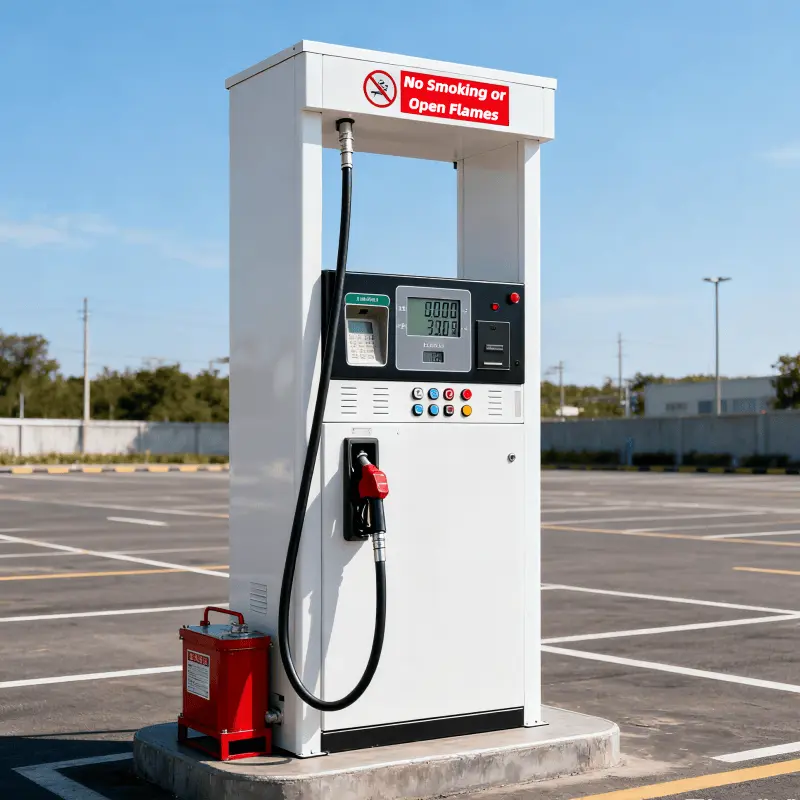
It started a chain of conversations with other regulars, and suddenly we were fielding questions that never would have crossed my mind back when I was just hauling fuel tankers down back roads. “Do mobile gas stations offer fuel tank cleaning services?” That query has been popping up on our calls, our website chat, and even at industry meetups more often than you’d think. As someone who’s spent years on the road, troubleshooting everything from faulty tanker pumps to client fuel storage issues, I wanted to break this down honestly—no corporate fluff, no sales pitches for services we don’t already handle (or do well), just the real deal about what mobile fuel providers can (and can’t) offer when it comes to tank cleaning.
First, let’s set the stage: what exactly is a fuel tank cleaning service, anyway? It’s not just hosing down the inside of a tank like you’d wash a garden tool. Proper fuel tank cleaning requires removing all the old fuel, sediment, water, and microbial growth that builds up over time—stuff that clogs fuel lines, ruins engines, and even poses safety risks. For stationary tanks, that usually means a vacuum truck to suck out the contents, specialized tools to scrub the interior walls, and proper disposal of waste fuel (which is regulated by the EPA in the U.S. and similar agencies globally).
When we first started getting questions about this, I did what any small business owner would do: I checked our resources and talked to our team. Our primary fleet is built for fuel transport—we have tankers with double-walled containment, safety sensors for leaks, and all the certifications to haul gasoline and diesel. But we don’t have the specialized equipment needed for full tank cleaning. Let me be clear: I’ve seen what happens when someone tries to do this with the wrong tools. A few years back, a local garage tried to clean a customer’s 500-gallon diesel tank with a standard shop vacuum, and the heat from friction caused a spark that damaged the tank and nearly started a fire. That’s not a risk my team is willing to take, especially because we have a reputation to uphold on the roads.
But that doesn’t mean mobile gas stations can never offer tank cleaning. Over the past year, we’ve partnered with three certified, local tank cleaning companies, and we’ve created a referral program that’s been a game-changer for our clients. Here’s how it works: when a client reaches out asking for fuel tank cleaning, we send a team member to assess the tank first. We check the tank’s size, what type of fuel it holds, how old it is, and what kind of sediment or issues we might be dealing with. That info gets sent straight to our trusted cleaning partners, who then send a fully equipped truck with all the right tools, waste disposal permits, and trained technicians. We make sure our partners are vetted—we’ve done background checks, checked their safety records, and even shadowed a few of their teams to see how they work.
But why would a mobile fuel provider not just add cleaning to their own services? Let’s talk about the costs and logistics, because that’s the part most online articles skip. Full tank cleaning for a 1,000-gallon tank takes about four hours of labor, plus waste disposal fees that can run $150-$300 alone—depending on how much sediment they pull out. That’s not a side gig; that’s a specialized service that requires training, insurance, and very specific equipment. Our team is great at driving tankers, checking fuel quality, and making sure deliveries are on time, but we’re not certified tank cleaners. If we tried to add that to our offerings, we’d have to invest tens of thousands of dollars in new equipment, get additional EPA certifications, and train our entire team—costs that would get passed on to clients, making our fuel prices less competitive.
That said, there are small, related services we do offer as mobile fuel providers that are often confused with full tank cleaning. For example, when we deliver fuel, we always do a quick visual check of the client’s tank exterior. If we see signs of water buildup (which looks like a cloudy layer at the bottom of the tank), we’ll mention it and even offer a quick water siphon for free—no extra charge. That’s a small, low-risk service that can prevent bigger issues down the line. Last month, a construction client told us that free siphon saved him from having to replace his entire fleet’s fuel filters, which would have cost him over $2,000. That’s the kind of value we focus on, not charging for every tiny thing we can help with.
Another thing to consider: not all tank cleaning needs are the same. For small residential tanks (like the 275-gallon tanks used for home heating oil), a basic clean might be simple enough for a trained technician with a portable vacuum. For large commercial tanks (10,000 gallons or more), you need industrial equipment that can handle the volume. That’s where our partners come in—they have equipment for every size, and they’re used to working with tight timelines, which is perfect for our clients who often need services outside of regular business hours.
I’ve also had clients ask if we can clean tanks as part of a routine fuel delivery. The short answer is: sometimes, if the schedule works. Last harvest season, a family farm in central Ohio needed fuel every other day, and their 5,000-gallon diesel tank had a small buildup of algae that was clogging their tractors. We coordinated with our cleaning partner to do the tank clean on a day when we were already in the area delivering fuel, so the farm didn’t have to pay extra for travel, and they got their fuel delivered and their tank cleaned in one trip. That’s the kind of flexible approach that makes being a mobile gas station worth it—we’re not just a fuel delivery service, we’re a solution for problems that come up with fuel storage.
Now, I want to be transparent about what mobile gas stations can’t do when it comes to tank cleaning. We can’t handle hazardous waste disposal, because our permits only cover fuel transport. We can’t work on tanks that are stored in enclosed spaces without proper ventilation, because our team isn’t trained in confined space entry (that’s another specialized certification that takes weeks to get). And we can’t guarantee that a tank cleaning will solve all engine issues—if your fuel is old and contaminated, the cleaning is step one, but replacing fuel filters or flushing your engines is a separate service.
Over the past few years, we’ve built our business on trust. When a client hires us, they know we’re not going to upsell them on services they don’t need, or cut corners to save a buck. That’s why we don’t pretend to be tank cleaners—we’d rather send them to a partner who does it right, than risk making a mistake that could harm our clients or our reputation. In fact, I’ve turned down jobs where a client wanted us to clean their tank without a certified partner, because the risk just isn’t worth it.
Let’s also talk about why this question is becoming more common. A lot of people are moving away from large, fixed fuel stations, especially in rural areas, and switching to mobile fuel providers. But they still have the same fuel storage needs as before, and they’re realizing that taking care of their tanks is just as important as getting fuel delivered. Sediment and water in a tank can lower fuel efficiency by up to 10%, according to data from the American Petroleum Institute, and that’s a big deal for farms, construction companies, and delivery fleets that rely on every mile per gallon they can get.
For our part, we’ve found that referring clients to certified tank cleaners has actually helped our fuel delivery business. When a farm gets their tank cleaned, they need more fuel, because the contaminated fuel they were using was burning faster. A construction client whose engines are running more efficiently doesn’t have to stop for fuel as often, so they schedule larger deliveries with us. It’s a win-win—we help our clients solve their fuel storage issues, and they keep coming back for their fuel needs.
Last month, we hosted a small workshop for local farm and business owners on fuel storage best practices. One of the attendees, a 62-year-old farmer named Joe, asked the question that started this whole line of thinking for me: “I’ve had my tank for 12 years, and I don’t think it’s ever been cleaned. Should I get it done?” I told him what I tell every client: have it assessed by a certified professional, and if it needs cleaning, use a company that’s vetted for safety and reliability. We can even connect him to a partner that’s worked with farms in his area, so he doesn’t have to spend hours researching. A few weeks later, Joe texted me to say he got his tank cleaned, and his tractors are running better than they have in years. That’s the stuff that matters to me—helping people not just get fuel, but keep their equipment running.
So to circle back to the original question: Do mobile gas stations offer fuel tank cleaning services? The honest, straightforward answer is: Most full-service mobile fuel providers don’t perform full, on-site tank cleaning themselves, but many partner with certified specialists to offer the service as a referral. Some smaller, specialized services might offer basic cleaning for small tanks, but always make sure they have the right certifications and equipment.
At our mobile gas station, we take that a step further: we don’t just refer you to a cleaning company—we assess your tank first, coordinate the timing to fit your schedule, and follow up after the service to make sure everything worked out. We’re not just a middleman; we’re a partner that cares about your fuel and your equipment.
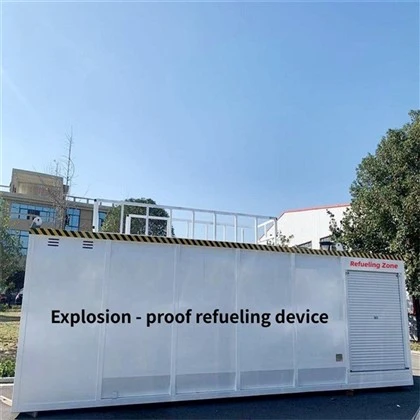
If you have questions about fuel tank cleaning, or you’re in need of reliable mobile fuel delivery for your farm, construction site, or business, we’re here to help. We can walk you through the options, answer any questions you have, and connect you to the services you need to keep your operations running smoothly.
Explosion-proof Fuel Station References
American Petroleum Institute. (2021). Fuel Storage Tank Maintenance Best Practices. API Publication 1615.
U.S. Environmental Protection Agency. (2022). Guidelines for Fuel Tank Cleaning and Waste Disposal. EPA 530-R-22-004.
National Association of Fleet Administrators. (2023). Mobile Fuel and Related Services for Commercial Fleets. NAFA Industry Report.
Shandong Jingcai Industry and Trade Co., Ltd.
As one of the most professional mobile gas station manufacturers and suppliers in China, we also support customized service. With abundant experience, we warmly welcome you to wholesale high quality mobile gas station in stock here from our factory. Contact us for free sample.
Address: Caojiazhuang Village Industrial Park, Lingcheng Town, Qufu City, Jining City, Shandong Province.
E-mail: shandongjingcai888@gmail.com
WebSite: https://www.sdjingcaicn.com/
