Hey there! If you’re here, chances are you’re either a stable manager, a horse owner, or someone in the equine industry tired of traditional stable materials that just don’t hold up. And if you’ve already looked into bamboo stable boards, you’re probably onto something—bamboo’s super strong, sustainable, and way more eco-friendly than pine or plywood. But let’s be real: when it comes to stables, surfaces take a beating. Horse hooves, urine, constant moisture, and daily scrubbing can do a number on even the toughest wood. That’s where surface treatments come in. As a bamboo stable board supplier, I get asked all the time: “What treatments actually work, and which ones are just hype?” Today, I’m breaking down the real deal on surface treatments for bamboo stable boards—no fancy jargon, just stuff that matters for your stables and your bottom line. Bamboo Stable Boards
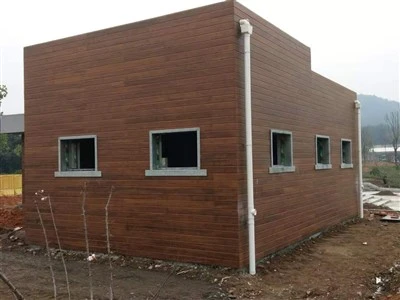
First, let’s start with why bamboo needs a treatment in the first place. Bamboo is a grass, not a tree, which means it has a different cellular structure. It’s naturally durable, but it’s still porous. For stables, that porosity is a problem. Horse urine has high ammonia levels—ammonia seeps into porous materials, causing odor, rot, and even damage over time. Moisture from cleaning or wet weather can also warp untreated bamboo, and over time, foot traffic (both horse and human) will cause splinters, which are a safety hazard. Treatments aren’t just about making the board look nice—they’re about extending its life, keeping your stable safe, and cutting down on replacement costs.
Now, let’s get into the treatments that actually work for bamboo stable boards, because not all treatments are created equal. I’ve tested a bunch over the years, and these are the ones that my customers keep coming back for.
First up, penetrating epoxy sealers. This is the workhorse for most of my clients, and here’s why. Penetrating epoxy isn’t just a top coat—it soaks deep into the bamboo’s pores, bonding with the cellular structure instead of just sitting on top. For stables, that’s huge. It blocks ammonia from seeping in, which means no more that pungent stable smell that lingers even after you clean. I’ve had a customer who ran a 10-stall stable tell me that after switching to bamboo boards with penetrating epoxy, their ammonia levels dropped so low they no longer needed to use extra neutralizers. That’s a big win for horse health too—high ammonia can irritate horses’ respiratory tracts, so keeping it out is non-negotiable. The best part? Epoxy is super tough. It resists scratches from hooves, doesn’t peel or chip even with heavy use, and is easy to clean—just wipe it down with a mild detergent and a hose. The only downside? It’s a bit more labor-intensive to apply, and it needs to cure properly (usually 24-48 hours) before the stable is usable. But trust me, the wait is worth it. I recommend two thin coats—one going with the grain, one against—to make sure every pore is sealed.
Next, there are water-based urethane coatings. These are a middle-of-the-road option, perfect for customers who want something a bit cheaper than epoxy but still better than untreated bamboo. Water-based urethane is a top coat that dries clear, so it lets the bamboo’s natural grain show through—nice if you care about aesthetics. It’s also low-VOC, which is a big plus because you don’t want harsh fumes in a closed stable space. That said, it doesn’t penetrate as deep as epoxy, so it’s more prone to scratching from sharp horse hooves. If you’re dealing with young horses or ones that tend to kick a lot, urethane might scratch within a year or two, which can leave tiny gaps where ammonia can get in. But for older, calmer horses, it’s a solid choice. I also tell my clients to reapply a light coat every 2-3 years to keep it intact—way cheaper than replacing boards every few years.
Wait, I’ve seen a lot of people talk about oil treatments too—like tung oil or linseed oil. Let’s get real here: oil treatments are great for outdoor furniture, but they’re not the best for stable boards. Why? Because oil doesn’t seal the pores—it just adds a layer of protection on top. It can get gummy when it gets wet, and urine will still seep in around the edges. Also, oil treatments need to be reapplied every 6 months, which is a hassle for busy stable managers. I’ve had a few customers try oil on bamboo boards, and within a year, they were complaining about the smell coming through. So unless you’re using bamboo for something non-porous (which stable boards definitely aren’t), skip the oil. It’s not worth the extra work.
Then there’s something called thermal modification. Wait, is that a treatment? Technically, it’s a process that changes the bamboo’s cellular structure to make it more resistant to moisture and rot. But when I work with clients, I pair thermal modification with a sealer to get the best results. Thermal modification heats bamboo to high temps (around 200°C) in an oxygen-free environment, which kills any bacteria or fungi that cause rot. It also makes the bamboo less porous than regular untreated bamboo. But here’s the catch: thermal-modified bamboo can still absorb moisture if it’s not sealed, so adding a penetrating sealer on top extends its life even more. I’ve sold a lot of thermal-modified bamboo boards to large equestrian centers because they last 2-3 years longer than regular treated bamboo. It’s a bit more expensive upfront, but the cost savings over time are huge—no frequent replacements mean less downtime for your stable.
Now, let’s talk about the treatments I avoid. There are two big ones that I’ve seen customers regret. First, solvent-based sealers. These have strong, toxic fumes that can be harmful to horses—some horses have even refused to go into stables with fresh solvent-based coatings because the smell is so intense. Also, they yellow over time, which makes your nice bamboo boards look old and dingy. Second, pressure-treated bamboo with chemicals like copper azole. Yeah, that’s the stuff that’s used for outdoor lumber, but it’s not safe for stables. If a horse chews on a board (which some do, especially young ones), they can ingest those chemicals, which is dangerous. I never offer pressure-treated bamboo for stables, and I advise my customers to steer clear too—no amount of durability is worth risking a horse’s health.
Wait, let’s address a common misconception: some people think bamboo is naturally rot-resistant, so they don’t need a treatment. Let me set the record straight: while bamboo is more rot-resistant than pine or plywood, it’s not invincible. If you have a stable that’s constantly damp (like in a rainy climate), untreated bamboo can start to rot in 3-5 years. That’s nothing compared to treated bamboo, which can last 10+ years. I’ve seen untreated bamboo boards in stables that were only 4 years old have soft spots where urine had seeped in. So treatments aren’t a luxury—they’re a necessity for long-lasting, safe stable boards.
Now, how do you know which treatment is right for you? Let’s break it down by use case. If you’re a small private stable with calm, older horses, water-based urethane is a solid, affordable choice. It looks good, is low-VOC, and lasts long enough. If you have a busy equestrian center with lots of young, energetic horses that kick and scratch a lot, go with penetrating epoxy. It’s tough, easy to clean, and will hold up to heavy use. If you live in a very rainy or humid climate, thermal-modified bamboo with epoxy sealant is the way to go—it resists moisture better than any other option.
Also, let’s talk about maintenance. No treatment works forever, so proper care will extend your boards’ life. For sealed bamboo boards, just wash them down with a mild, pH-neutral detergent (avoid harsh chemicals like bleach—they can break down the sealer) and a pressure washer on low setting once a week. Every 2-3 years, do a quick check for scratches or worn spots. If you see a small area where the sealer is gone, just sand it lightly and reapply a thin coat of sealer. It’s way easier than replacing a whole board.
As a supplier, I make sure all the bamboo stable boards I carry have proper surface treatments—no cutting corners. I work with a local applicator who applies the penetrating epoxy in controlled conditions, so I know the coats are even and durable. I also test every batch of boards to make sure they’re ammonia-resistant, which is something I never skip. A lot of suppliers will cut costs by using thin, low-quality sealers, but that’s a recipe for unhappy customers. I’d rather sell a board that lasts 10 years than one that needs replacing every 3.
Wait, I should also mention that some clients ask about non-toxic treatments for their horses—like food-grade sealers. Yeah, those are a thing! Food-grade penetrating sealers are safe if a horse chews a small piece of the board (though we still don’t recommend horses chewing boards, obviously). They’re a bit more expensive, but if you have a horse that’s a known chewer, that’s a great option. I’ve had a few clients with young foals go for food-grade sealers, and they’ve loved it.
Let me wrap this up. The key takeaway: surface treatments for bamboo stable boards aren’t one-size-fits-all. Penetrating epoxy is the most durable, water-based urethane is budget-friendly, thermal modification adds extra moisture resistance, and skip oil or toxic pressure treatments. And if you’re not sure which one is right for your stable, just reach out.
If you’re in the market for bamboo stable boards that are properly treated, durable, and safe for your horses, don’t hesitate to connect with me. I can walk you through the options, share real customer reviews, and help you pick the best fit for your stable’s needs. No pressure, just honest advice from someone who’s been in the equine industry for years.
Bamboo Planter Box References:
- American Wood Protection Association. (2021). Guide to Surface Treatments for Wood Products in Equine Facilities.
- International Tropical Timber Organization. (2019. Bamboo as a Sustainable Building Material for Livestock Housing.
- Equine Welfare Science Journal. (2020). Ammonia Exposure in Stables: Impacts on Equine Respiratory Health and Stable Material Durability.
- Wood Finishing Magazine. (2022). Penetrating vs. Top-Coat Sealers for Porous Wood Applications.
Ningguo Kungtai Bamboo and Wood Co., Ltd.
As one of the most professional bamboo stable boards manufacturers and suppliers in China, we warmly welcome you to wholesale bulk customized bamboo stable boards from our factory. If you have any enquiry about quotation, please feel free to email us.
Address: East of Huanggang Road, Ningdun Town, Ningguo City, Anhui Province
E-mail: office@hh-bamboo.com
WebSite: https://www.kungtaibamboo.com/
