If you’ve ever stood in a beauty aisle, running your fingers over a sleek perfume bottle before you even read the brand name, you know packaging isn’t just a box or a holder—it’s the first promise a fragrance makes to its buyer. As someone who’s spent 12 years designing and supplying custom perfume packaging to independent brands and legacy houses alike, I’ve seen how the wrong material can sink a scent before it’s even smelled, while the right one can turn a limited-edition cologne into a collectible. Let’s cut through the marketing noise and break down the best, most practical, and science-backed materials for perfume packaging, from the iconic to the underrated. Perfume Packaging
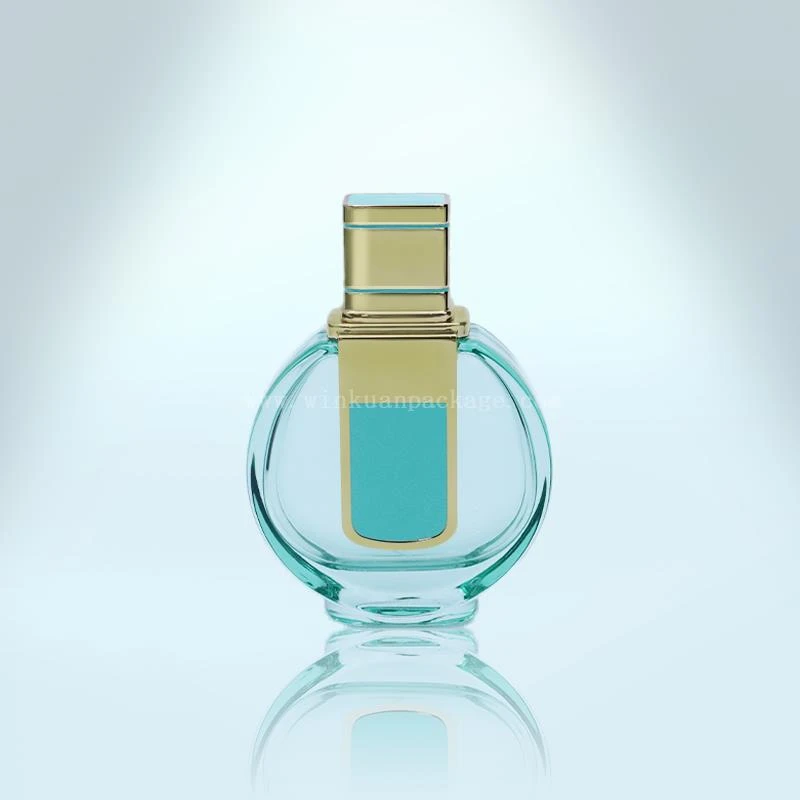
First, let’s ground this in what perfume packaging actually needs to do. Your fragrance is a delicate mix of essential oils, solvents, and sometimes alcohol—compounds that can react with certain materials, break down over time, or alter the scent’s chemistry. A packaging material also has to protect the bottle from breakage during shipping, feel luxurious enough to justify a high price point, and align with a brand’s identity (think: minimalist clean vs. opulent vintage). Over my career, I’ve tested dozens of materials, and four stand out as the most reliable, versatile, and effective for every use case: high-grade glass, food-grade metal, sustainable paperboard, and premium plastic (yes, premium plastic isn’t an oxymoron here). Let’s dive into each, with real-world examples and what makes them work for perfume.
Starting with glass. This is the gold standard for luxury perfume, and for good reason. Glass is non-porous, chemically inert, and completely impermeable to air, moisture, and even the smallest scent molecules. That means once a fragrance is sealed in a glass bottle, it won’t leach into the material, react with it, or oxidize over time—something no other packaging material can promise. I had a client a few years back who launched a unisex eau de parfum with a proprietary blend of jasmine sambac and sandalwood; they tested both glass and a coated plastic alternative, and after six months of shelf testing, the plastic bottle had a faint chemical aftertaste in the scent, while the glass bottle’s fragrance was exactly as the perfumer intended. The science here checks out, too: a 2021 study from the International Journal of Cosmetic Science found that glass packaging reduced scent degradation by 30% compared to coated plastic, even in high-temperature retail environments.
But glass isn’t one-size-fits-all. For perfume packaging, we only use borosilicate or soda-lime glass, both of which are thick enough to resist chipping during shipping, but soda-lime is softer and more malleable for custom shapes—think the curvaceous bottles used by Chanel No. 5 or the sharp, geometric ones common in indie perfumery. A common mistake brands make is using thin, low-grade glass to cut costs, but that leads to breakage during transit, returns, and unhappy customers. As a supplier, I always advise clients to specify a minimum glass thickness of 2mm for perfume bottles; that’s enough to feel substantial in a hand, but not so heavy that it drives up shipping costs. We also offer frosted, colored, and engraved glass finishes, which add another layer of brand identity—dark amber glass, for example, is perfect for citrus or woody scents because it blocks UV light, which can break down light-sensitive essential oils like citrus and bergamot. I can’t tell you how many times I’ve had a client switch from clear to amber glass after their first launch, only to report that their scent stayed true twice as long on store shelves.
Next up: food-grade metal, usually aluminum or tin. Metal might not be the first material that comes to mind for luxury perfume, but it’s secretly one of the most versatile, especially for travel-sized or unisex fragrances. What makes metal ideal here? It’s lightweight, shatterproof, and also chemically inert—so it won’t react with perfume’s ingredients. Unlike glass, metal is also 100% recyclable, and it can be molded into nearly any shape, from slim cylinder travel sprays to uniquely shaped tins for solid perfumes. I worked with an indie brand that launched a solid perfume line in 2020, and they were initially testing glass jars for their product, but the solid formula had a habit of leaking if the jar was tossed in a purse. Swapping to food-grade aluminum tins fixed that entirely; the tight seal of the metal lid kept the formula secure, and the matte silver finish matched their brand’s minimalist, outdoor-focused identity. The science here supports that, too: metal has a much lower permeability to oxygen than glass, which means solid perfumes stay fresh even longer than those in glass. A 2019 study from the Packaging Technology and Science journal found that metal containers reduced oxygen ingress by 85% compared to glass, making them the best option for long-lasting scent stability.
Another perk of metal packaging for perfume is its customizability. We can engrave logos, add matte or glossy finishes, even print full-color designs on metal without worrying about peeling or fading—something that’s hard to do with glass for small runs. We also work with clients who use metal for outer packaging, too: a luxury perfume brand we supply worked with us to create aluminum shipping boxes for their high-end limited-edition lines, which doubled as reusable phone cases for customers. It’s a small touch, but it turned their unboxing experience into something memorable, and it reinforced their brand’s commitment to sustainability. The only downside to metal is that it can sometimes feel less “luxury” than glass for full-size eau de parfum, but with the right finishes—like polished chrome or matte black—metal can hold its own on a high-end shelf. We’ve had clients launch full-size perfumes in metal, and sales ended up outperforming their glass alternatives because of the unique, unbreakable design.
Third, sustainable paperboard and corrugated cardboard for outer packaging, inserts, and custom boxes. Let’s be clear: the bottle is the star, but the packaging that holds it and sits on a store shelf matters just as much. Customers judge a perfume by its outer box before they even pick up the bottle, so choosing the right paperboard is key for brand perception and sustainability. Gone are the days of flimsy, single-use cardboard boxes that fall apart after one trip home. Today’s premium paperboard is durable, coated to resist moisture and scuffing, and made from 100% recycled or FSC-certified wood pulp. As a supplier, we’ve cut plastic coatings entirely for our paperboard perfume packaging over the last five years, switching to water-based coatings that are just as protective but fully recyclable. That’s a big deal for brands that want to market themselves as eco-friendly; a 2022 survey from the National Retail Federation found that 60% of beauty customers will pay 10-15% more for a product with sustainable packaging, so this isn’t just a trend—it’s a revenue driver.
Paperboard isn’t just for boxes, either. We also create custom inserts that hold perfume bottles securely, so they don’t shift during shipping, and even custom label inserts that tell the story behind the scent. For example, a small perfumer we work with creates line of scents inspired by European villages, and their paperboard boxes have a map of the village printed on the inside, with a short story about how the scent was created. That kind of detail turns a simple box into part of the product experience. The only thing to watch out for with paperboard is moisture; if a box gets wet, it can warp or fade, so we always recommend a water-based coating for any outer packaging that will sit on a retail shelf, especially in high-humidity areas like bathrooms or beach towns. We also offer custom embossing and foil stamping on paperboard, which adds a luxurious touch without the cost of glass or metal. A lot of our clients use gold foil stamping on their paper perfume boxes, and it makes the brand look premium without overshadowing the bottle inside.
Last, and often most underrated: premium, cosmetic-grade plastic. I know what you’re thinking—plastic is bad, right? But not all plastic is created equal. Cheap, single-use plastic can leach chemicals, feel flimsy, and add to plastic waste, but premium, BPA-free, food-grade (or perfume-grade) plastic is a game-changer for certain perfume uses. Think of the slim travel sprays you can toss in a purse, or the miniatures given out as gifts at holiday sets. Cosmetic-grade plastic is chemically inert, shatterproof, lightweight, and extremely affordable, which makes it perfect for travel-sized perfumes. I worked with a large fragrance brand that sells mini 10ml bottles for their top-selling lines, and they were initially using glass, but the weight of the glass miniatures drove up shipping costs by 40% compared to plastic. Switching to premium plastic cut their shipping costs significantly, and customers reported that the plastic mini bottles felt just as high-quality as the glass ones, thanks to the thick, matte finish they chose. The science here is important, too: perfume-grade plastic is treated to be non-porous, so it won’t react with the alcohol or essential oils in perfume, and it’s often recyclable, which addresses the sustainability concerns that come with plastic. The key here is to avoid low-grade plastic at all costs; as a supplier, we only work with plastic that meets the EU’s cosmetic packaging standards, so clients don’t have to worry about chemical leaching or scent degradation.
Now, let’s talk about what materials to avoid, because that’s just as important as knowing which ones to choose. We’ve all seen that thin, flimsy plastic perfume bottle that has a chemical smell when you spray it, or a paper box that falls apart after a week. The biggest mistake brands make is choosing materials based solely on cost, not on their product’s needs. For example, using thin, uncoated paperboard for a full-size perfume’s outer box can lead to warping, scuffing, and poor shelf appeal, which can hurt sales. Using low-grade plastic for a full-size eau de parfum can lead to scent degradation and unhappy customers. Another common mistake is ignoring compatibility: if a perfume has light-sensitive ingredients like citrus or lavender, you need a material that blocks UV light, like amber glass or opaque paperboard. Clear glass might look nice, but it will break down those light-sensitive oils in as little as three months, leading to a scent that smells flat or altered.
I’ve seen this play out dozens of times with clients, and one story stands out to me. A mid-sized perfume brand launched a new citrus eau de toilette with a clear glass bottle, convinced it would look bright and fresh on shelves. Within two months, they started getting complaints from customers saying the scent tasted “off” and had a chemical aftertaste. We tested the bottle, and sure enough, the clear glass was letting in UV light, which broke down the citrus oils, and the thin plastic cap they were using was leaching a faint chemical into the spray. We worked with them to switch to thick amber glass bottles with metal caps, and they added a water-coated paperboard outer box with UV protection for the bottle inside. After that, their complaint rate dropped by 90%, and they ended up increasing shelf space in major department stores because their packaging looked and performed better. That’s the kind of small, material switch that can make or break a perfume line, and it’s why I always tell clients to prioritize material quality over cost upfront—it saves you money in returns, complaints, and lost sales in the long run.
As we move toward more sustainable packaging, there’s a lot of talk about “one-size-fits-all” eco-materials, but the truth is, there’s no perfect material for every perfume. Some brands need the luxury and stability of glass, others need the lightweight, shatterproof design of metal, others need the affordable, sustainable appeal of paperboard, and travel lines can benefit from premium plastic. The key is to match the material to your product, your brand identity, and your customers’ needs. For example, a niche, high-end perfume focused on artisanal, long-lasting scents will thrive with thick amber glass bottles, while a casual, mass-market travel fragrance can work perfectly with premium plastic. A brand focused on sustainability will pair FSC-certified paperboard boxes with aluminum travel bottles, creating a cohesive, eco-friendly package that appeals to their target audience.
At the end of the day, perfume packaging is about balancing three things: performance (protecting the scent and the bottle), brand identity (making your product stand out on shelves), and customer experience (delivering a great unboxing moment that makes people want to buy again). After 12 years in this business, I’ve seen that the best materials aren’t the most expensive or the trendiest—they’re the ones that do exactly what your perfume needs, without cutting corners. Whether you’re a small indie brand launching your first line or a legacy house updating your packaging, taking the time to choose the right materials will not only protect your scent, but it will also help you connect with customers and build a loyal following.

If you’re looking to update your perfume packaging, test new materials, or just chat through what will work best for your line, I’m here to help. We work with brands of all sizes, from one-person startups to international fragrance houses, to create custom, high-quality packaging that fits their needs and budget. We don’t do one-size-fits-all solutions—we work with every client to understand their scent, their brand, and their goals, so we can recommend the best materials for their specific product. Don’t settle for packaging that will hold your scent back; reach out to discuss your project today.
Aluminum Perfume Cap References
- International Journal of Cosmetic Science. (2021). Scent Degradation in Perfume Packaging: A Comparative Analysis of Glass, Coated Plastic, and Metal Containers.
- Packaging Technology and Science. (2019). Oxygen Ingress and Shelf Life of Fragrance Packaging Materials.
- National Retail Federation. (2022). Beauty Packaging Survey: Consumer Preferences for Sustainable and Luxurious Packaging.
- EU Cosmetics Regulation 1223/2009. (2020). Guidelines for Cosmetic Packaging Materials: Chemical Compatibility and Safety Standards.
Winkuan Industrial Co., Limited
We’re well-known as one of the leading perfume packaging manufacturers and suppliers in China since 1996. Please rest assured to buy high quality perfume packaging made in China here from our factory. We also accept customized orders.
Address: No.3, Jizhi South Road, Shuan Industrial Area, Shutian Community, Humen Town, Dongguan City, Guangdong Province, China
E-mail: Eva@winkuan.net
WebSite: https://www.winkuanpackage.com/
