If you’ve ever wandered through a traditional Chinese pastry shop in a bustling neighborhood market or a quiet city back alley, you’ve likely spotted small, golden-baked treats tucked beside red bean paste buns, lotus seed mooncakes, and flaky sesame cookies. As a third-generation supplier of handcrafted traditional Chinese pastries, I’ve spent over two decades perfecting recipes that honor centuries-old techniques while balancing subtle, approachable flavors that resonate with both long-time locals and curious newcomers. One of my most popular lines, and the topic of today’s post, is our range of pastries with milk filling—a category that blends the richness of Western dairy traditions with the delicate, balanced sweetness that defines Chinese baked goods. I’ve often heard customers describe these treats as “comfort food with a gentle surprise,” and today I want to break down the most beloved, time-tested varieties, share the stories behind them, and explain how we craft our milk fillings to stay true to their roots. Traditional Chinese Pastries
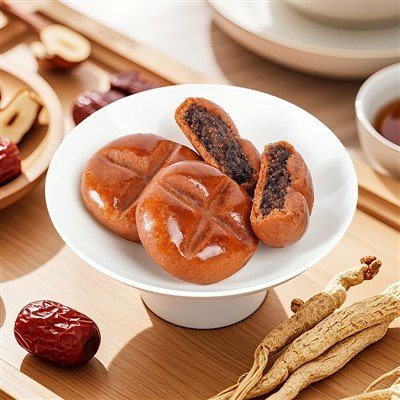
First, let’s clear up a common misconception: milk-based fillings aren’t a modern addition to Chinese pastries. Contrary to what many assume, dairy has played a surprisingly consistent role in regional Chinese baking for over 1,000 years, particularly in northern provinces like Inner Mongolia, Gansu, and Shaanxi, where livestock rearing has a long history, and cooler climates made fermented or preserved dairy practical for travel and storage. For nomadic herders in these areas, dairy was a staple, and it made its way into baked goods as a sweet or savory alternative to the more common bean or seed pastes from southern China. Over time, these regional recipes made their way into urban bakeshops, evolving with each generation to suit local tastes, and today they’re enjoyed across the country and exported to customers who crave authentic, non-overly-sweet pastries.
The most iconic of these traditional milk-filled pastries is the milk custard bun, often called “nai huang bao” in Cantonese, a name that’s become widely recognized across China and beyond. When I first started helping my grandfather in our family shop in Guangzhou in the early 1990s, he taught me that the secret to a great nai huang bao is the filling: not just sweet cream, but a balanced mix of butter, milk powder, condensed milk, and a touch of cornstarch to create a smooth, slightly thick texture that oozes gently when bitten into, rather than being runny or too dense. The bun itself is a soft, slightly sweet yeasted dough, steamed first and sometimes finished with a quick bake to add a crisp, golden top—though many traditional versions stick to steaming to keep the texture light. What makes this pastry special is its versatility: it’s a staple in dim sum restaurants across China, sold as a grab-and-go snack in neighborhood shops, and for our international customers, it’s often their first introduction to a milk-filled Chinese pastry. When my grandfather first created our shop’s version in 1987, he wanted a filling that wasn’t cloyingly sweet—so he cut the sugar by a third and added a spoonful of unsalted butter to enhance the creamy depth, a tweak that’s kept our nai huang bao our best-selling item for 36 years.
Another beloved traditional milk-filled pastry is the milk flaky mooncake, a variation of the classic Mid-Autumn mooncake that’s been gaining popularity over the last two decades, but has roots in northern Chinese holiday baking. Unlike the dense, sweet lotus seed or red bean mooncakes many people are familiar with, this pastry has a layered, flaky crust, similar to a puff pastry, and a filling made of evaporated milk, powdered milk, and a small amount of maltose to bind it, with optional hints of vanilla or osmanthus for a subtle floral note. For Mid-Autumn Festival, we make this pastry in small, individual sizes, perfect for sharing, and it’s become a favorite among customers who want a lighter alternative to traditional mooncakes. My father, who now runs the shop alongside me, started experimenting with this variation in 2005 after hearing from customers who found standard mooncakes too heavy. He adapted a recipe he’d learned from a pastry chef in Xi’an, adjusting the dough ratio to make the layers crisp, and the filling to avoid the grainy texture that can come with powdered milk. Today, we use whole milk powder from a local dairy in Shandong, which has a richer, creamier flavor that elevates the filling without being too overpowering.
One more underrated traditional milk-filled pastry is the milk fried pastry, or “nai you you tiao” though that name is a bit of a misnomer—this isn’t the savory fried breadstick most people know. Instead, it’s a small, sweet fried dough bun with a creamy milk filling, often sold at street food stalls in northern China, especially in Beijing and Tianjin. I grew up stopping at these stalls after school, when the vendor would hand us warm, crispy buns in paper bags, the filling oozing out just enough to not make a mess. The dough is a simple yeasted flour dough, deep-fried until golden and puffy, then sliced open and filled with a cooled milk custard that’s slightly firmer than the custard in the steamed bun. What makes this pastry unique is the contrast between the crispy, warm exterior and the cool, creamy filling inside—a texture combination that’s hard to replicate. For our shop, we don’t fry these; instead, we bake them at a low temperature to keep them crispy without the greasiness of deep-frying, which has made them more popular with customers who want a slightly lighter snack. We also add a tiny pinch of salt to the milk filling, a detail that my grandfather learned from a vendor in Tianjin in the 1980s, to cut the sweetness and make the flavor more complex.
Now, as a supplier, I want to be transparent about how we preserve the tradition of these pastries while meeting the needs of today’s market. Many bakers today use artificial cream or pre-made fillings to cut costs, but we’ve always made our milk fillings fresh every morning in our in-house kitchen, using only natural ingredients: whole milk, high-quality butter, pure condensed milk, and a small amount of cornstarch or flour to thicken, no preservatives or artificial flavors. For our wholesale clients, we offer two versions of each pastry: the traditional full-sugar version, which is closest to the recipes my grandfather wrote down, and a reduced-sugar version, using stevia in place of some of the sugar, for customers who are watching their intake. We also offer gluten-free options for the flaky mooncake, using rice flour and xanthan gum to replicate the flaky texture without wheat, a change we made after several local cafes requested gluten-free treats for their customers.
A common question I get from new clients is how these milk-filled pastries differ from Western milk-filled pastries, like cream puffs or eclairs. The answer lies in the balance and texture. Western milk fillings tend to be heavier, with more butter or whipped cream, and the pastry itself is often richer and sweeter. Our Chinese versions are designed to be subtle: the milk flavor is gentle, not overpowering, and the pastry dough is lightly sweet, acting as a backdrop for the filling rather than competing with it. For example, our milk custard bun has a creamy filling, but it’s cut through by the soft, slightly tangy steamed dough, so you don’t feel like you’re eating a heavy dessert—you can have three of them for a snack and still feel comfortable. That balance is something we’ve spent decades perfecting, and it’s what makes our pastries stand out in a crowded market.
Over the years, I’ve worked with cafes, grocery chains, and international import companies to bring these traditional pastries to customers who might not have access to a neighborhood Chinese pastry shop. Last year, we began exporting to small bakeries in Canada and Australia, and the feedback we got from customers there was that they loved the familiar creaminess of milk fillings, but the subtle sweetness was a welcome change from the overly sweet Western pastries they were used to. It’s been rewarding to see these traditional recipes cross borders and be appreciated by people who might not have grown up with Chinese food, and it reinforces why I keep my grandfather’s original recipe cards taped to the kitchen counter—they remind me that tradition is about adapting, not forgetting.

If you’re a cafe owner, grocery manager, or food buyer looking to add unique, high-quality pastries to your menu or inventory, our range of traditional Chinese milk-filled pastries could be exactly what you’re looking for. We specialize in small to medium wholesale orders, with flexible packaging options tailored to your needs, and we can adjust recipes to meet specific dietary requirements, as long as we stay true to the core of each pastry. We also offer sampling for new clients, so you can test the quality and flavor before placing an order. Whether you’re looking for a new dim sum item for your restaurant, a grab-and-go snack for your convenience store, or a unique treat for your bakery, we’re here to work with you.
Puffed Food References:
- Anderson, E.N. (1988). The Food of China. Yale University Press.
- Louie, K. (2011). Dim Sum: The UNofficial Text: The Ultimate Guide to Chinese Dumplings, Buns, and Other Wonders. Tuttle Publishing.
- Wang, Z. (2019). Regional Chinese Pastries: A History of Flavor and Technique. China Food Press.
Fujian Luchen Food Co., Ltd.
As one of the most professional traditional chinese pastries manufacturers and suppliers in China since 1986, our products have good reputation in the market. Please feel free to wholesale bulk delicious traditional chinese pastries from our factory. Good service and quality products are available.
Address: No. 19, Shangxipulou, Nansheng Town, Pinghe County, Zhangzhou City, Fujian Province
E-mail: service@xmnahan.com
WebSite: https://www.luchenbakery.com/
