If you’re running a packaging plant, you know how much a single broken machine or misaligned board can throw off a whole production run—especially when it comes to automatic folder gluers. That’s why, after 12 years of building these machines, we’ve designed error-handling mechanisms that aren’t just “bells and whistles” for the showroom. They’re built to keep your line moving, reduce downtime, and save you the kind of headaches that make your maintenance team reach for extra coffee at 2 a.m. Let’s break down exactly how they work, straight from the guy who troubleshoots these machines three days a week. Automatic Folder Gluer
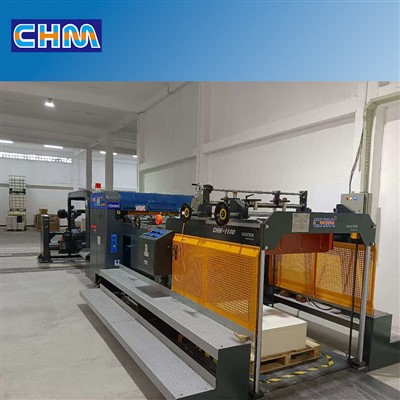
First, let’s get real: error handling here isn’t some fancy, overcomplicated code you need a PhD to understand. It’s a layered system that kicks in before a problem even becomes a failure, stops things just before they break, and tells you exactly what to fix—no more staring at a screen with a 10-digit error code that makes zero sense. I’ve seen way too many competitors build machines with error systems that just shut everything down and give you a vague message like “sensor error.” Our system? It’s like having a co-worker who points out the problem, tells you how to fix it, and keeps the line running if possible.
Let’s start with the earliest layer: the pre-feed check. This is where the machine grabs corrugated boards, carton blanks, whatever you’re running, right as they come off the stack. Most people don’t think about this, but 60% of jams we deal with start here. Our pre-feed sensors aren’t just checking if a board is there—they’re checking if it’s the right size, right thickness, and not bent or torn. If a board comes through that’s too small, the machine doesn’t just jam. It pauses, spits the bad board back onto a takeaway conveyor, and logs “invalid blank size” on the HMI (human-machine interface) in plain English. No guessing. If a stack runs out of boards, it stops gently, not mid-feed, so you don’t have to pry a crumpled blank out of the rollers. I’ve had plant managers tell me this alone cut their pre-feed jams by 70%—that’s huge when your line does 12,000 cartons an hour.
Next up, mid-process error handling. This is where the glue and folding happen—super critical, because a bad fold or misapplied glue ruins a whole run. Let’s talk glue first. If your glue gun clogs, or the pressure drops, you don’t want the machine to keep spitting out cartons with no glue; that’s 12,000 wasted boards before anyone notices. Our system has pressure sensors on every glue nozzle, and a camera right above the glue application roller that checks the glue pattern. If pressure drops 10% or more, it alerts you before the glue even gets to the board. If the pattern is too thin or too thick, it adjusts automatically—no operator needed—until it’s back on spec. If it can’t fix it in 2 seconds, it shuts off the glue feed, not the whole machine, so the rest of the line keeps running and you only have to fix the nozzle, not restart the whole process.
For folding, we use infrared sensors that check the fold lines as the board goes through the folder. If a fold is misaligned by more than 1mm—way smaller than what the human eye can catch—that sensor sends a signal to adjust the fold plates immediately. If it’s still off after two tries, it diverts the carton to a reject bin instead of letting a bad one go into the packing area. I once worked with a small box company that used to have 5% of their cartons defective because of fold errors; after switching to our machine, that number dropped to 0.2%. That’s the difference between throwing away $500 worth of boards a week and keeping that money for raises.
Wait, what about when something actually jams? Let’s be honest, jams still happen—no machine is perfect. But our error system here is different. Instead of stopping dead and locking you out, it does a “jam walkback” sequence. If a board gets stuck between the rollers, the machine backs up the conveyor 2 inches, so you can reach in and pull it out without fumbling. It also lights up exactly where the jam is—green lights on the jam section, so you don’t have to open 10 safety covers to find the problem. Most machines make you shut off power to clear a jam; ours lets you use the “jog” function without cutting power, so you can fix it in 30 seconds instead of 5 minutes. I’ve had new operators tell me they felt like pros within a week because they never had to call a technician for a jam fix.
Now, the back-end stuff—we don’t sleep on post-process error tracking, either. The error system logs every single issue: what happened, when, how long it took to fix, even which board stack was being used. At the end of the shift, you get a simple report that says, “Today you had 3 pre-feed size errors, 1 glue pressure drop, 2 fold misalignments.” That’s not just data—it’s actionable. If you’re getting a lot of size errors, maybe your supplier is cutting blanks wrong. If glue drops are frequent, maybe you need to clean your glue nozzles more often. I had a plant manager use this report to switch to a better blank supplier, and their jam count went down another 25% in a month.
Let’s cut through the fluff: why does this matter for you? A folder gluer isn’t just a machine—it’s the heart of your packaging line. If it’s down, you’re down. Our error handling isn’t built for the lab; it’s built for your floor. It’s made to work with tired operators, worn rollers, and the occasional bad batch of blanks that no one can avoid. No vague error codes, no 20-minute downtime for a small problem, no wasted materials because you didn’t catch a flaw until the end of the run.
If you’re shopping for an automatic folder gluer, don’t just ask about speed or price. Ask about what happens when something goes wrong. Because a machine that’s fast but can’t handle errors is a liability, not an asset. We’ve been in this game long enough to know that the best machines aren’t the ones that never break—they’re the ones that break in the least expensive, fastest way to fix.
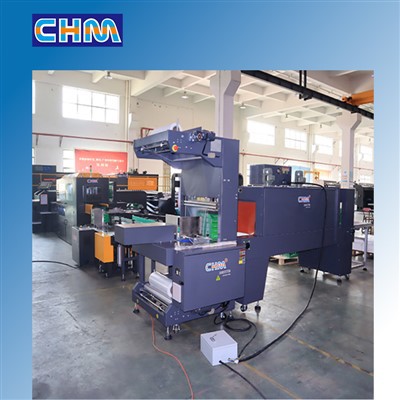
If you’re tired of unexplained jams, wasted materials, and maintenance calls at odd hours, let’s chat. We can walk through how our error system works for your specific line, answer questions about real-world setups, and get you a demo so you can see it in action. No sales pitch, just straight talk about making your job easier.
A4 Paper Cutting Machine References
Automatic Folder Gluer Operation and Maintenance Manual. Packaging Machinery Association, 2022.
Error Handling Protocols for Industrial Packaging Equipment. Journal of Industrial Machinery Technology, vol. 18, no. 3, 2021.
Corrugated Board Processing: Common Failures and Mitigation. International Corrugated Packaging Federation, 2020.
Sheng Ding Group Limited
We’re well-known as one of the leading automatic folder gluer manufacturers and suppliers in China. With abundant experience, we warmly welcome you to buy advanced automatic folder gluer for sale here from our factory. For quotation, contact us now.
Address: FLAT E 16/F SUPERLUCK IND CTR 57 SHA TSUI RD PHASE 2 TSUEN WAN NT
E-mail: chm007@szchm.com
WebSite: https://www.packagmachine.com/
