If you’ve ever stood in a warehouse, a retail storage room, or even a backyard workshop watching thousands of garments, tools, or outdoor gear hang neatly in place, you’ve probably noticed how often those hangers aren’t just simple sticks with a hook. The ones that don’t slip off mid-shift, that hold heavy winter coats without bending, that survive being loaded and unloaded daily—those rely on power fittings, the unsung heroes of hanger systems that keep operations running smoothly without anyone stopping to think about them. As a power fittings supplier, I’ve spent the last decade working with manufacturers, logistics teams, and retail operations to get these fittings right, and today I want to break down exactly what they are, why they matter, and how they turn a basic hanger into a reliable workhorse. Power Fittings
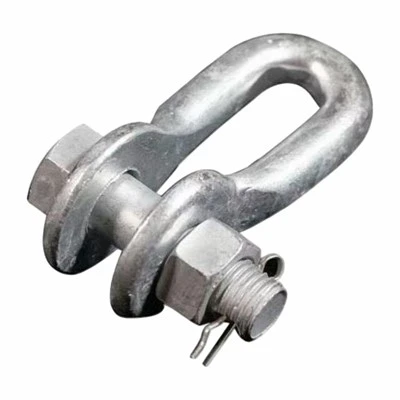
First, let’s get the basics out of the way: power fittings for hangers are the small, engineered components designed to connect hanger parts, secure hangers to support systems, add functional features, and handle the weight of whatever is hung on them. They’re not one-size-fits-all; different applications demand different fittings, and skimping on quality here is a fast track to broken hangers, lost inventory, and frustrated teams. I’ve seen it firsthand too many times— a budget hanger with a flimsy hook fitting that snaps during a holiday rush, sending 50 coats crashing to the floor, or a retail display where the shoulder clamps don’t grip tightly, leaving shirts stretched out of shape by the end of the week. These problems don’t happen because someone bought a bad hanger; they happen because they bought a hanger with cheap, untested power fittings.
Let’s start with the most common type of power fitting: the hook and pin assembly. If you look at almost any standard clothes hanger, the hook is connected to the body via a small metal pin, and that pin is a power fitting. It’s not just a decorative piece; it has to hold the entire weight of the hanger and whatever is on it, while also allowing the hook to rotate so hangers can slide easily on support rods. A good hook and pin fitting is made from high-grade steel, not flimsy tin that bends after a few uses. It’s also precision-sized to fit standard 1-inch or 1.25-inch support rods, so you don’t have hangers wobbling or falling off when a team member grabs one quickly. I remember a client who ran a large department store in the Midwest a few years back—they were using cheap imported hangers with hooks that would pop off at least 10 times a day during peak hours. We switched them to our powder-coated steel hook and pin fittings, and that issue was gone within a week. The fittings cost just a few cents more per hanger, but the time they saved their team from cleaning up fallen merchandise was worth thousands of dollars a month.
Next up are shoulder clamps and grip fittings, which are critical for non-slip, non-stretch hangers. These are the fittings that hold pants, skirts, and dress shirts securely on the hanger, and they’re designed specifically for different fabric weights and types. For heavy denim or wool trousers, you need clamp fittings with a strong spring tension that doesn’t loosen over time—no one wants a pair of $100 jeans slipping off a hanger and getting scuffed on a warehouse floor. For delicate silk blouses, you need grip fittings with soft rubber or plastic coatings that don’t snag fabric. What many people don’t realize is that these fittings also play a role in the durability of the hanger itself. A plastic shoulder clamp that’s molded poorly will crack after a few months of use, whereas a nylon or reinforced metal clamp can last for years. I once worked with a custom clothing brand that made high-end wedding dresses—they needed hangers that wouldn’t leave marks or slip, so we developed custom grip fittings with a textured rubber coating that’s gentle on fabric but strong enough to hold even the heaviest ball gowns. They told us those fittings were the reason their inventory loss from damaged garments dropped by 30% in the first six months of using our hangers.
Then there are rack connectors and suspension fittings, which are used when hangers are part of a larger system, like in a warehouse storage rack, a retail display gondola, or a dry cleaning plant where hangers are hung on continuous rails. These fittings are designed to link individual hangers together or connect them to the main support structure, so they can be moved along the rail without jamming. For large-scale operations, these are often made of durable plastic or steel that can handle hundreds of pounds of gear at once. Dry cleaning plants, for example, use high volumes of hangers to process thousands of garments a day, so their suspension fittings have to be resilient enough to withstand constant movement and temperature changes (think a hot summer warehouse or a cold winter backroom). We’ve developed a line of UV-stabilized polypropylene suspension fittings that are resistant to temperature extremes and don’t warp, even after years of use in these harsh environments. A dry cleaning client in Texas told us that their old fittings would warp in the summer heat, causing hangers to bunch up and make processing take twice as long—our fittings solved that problem immediately.
Another important category of power fittings for hangers is adjustable components. Adjustable hangers are super popular in retail and residential spaces because they can fit different sizes of clothes, from tiny baby onesies to large coats. The adjustable part of the hanger, the part that slides to change the width, relies on precision fittings to stay in place. A bad adjustable fitting will slip down when you hang a heavy coat, leaving the hanger lopsided, or it will get stuck, making it hard to adjust. Our adjustable hanger fittings are made with a locking mechanism that’s tested to hold up to 50 pounds of weight without slipping, and we use smooth, durable materials so the adjustment is easy even when hands are gloved or dirty. We worked with a major baby gear retailer a while back that wanted hangers that could grow with kids’ clothing, from newborn to 4T. They were having trouble with adjustable hangers that would slip, leading to returns and customer complaints, so we customized our locking fittings with a soft grip and a clear indicator that shows when the hanger is securely locked in place. That client’s customer satisfaction scores for their hangers went up 25% within the first quarter of implementation.
You might be wondering: why are these fittings called “power fittings” in the first place? It’s because they do most of the heavy lifting—literally—when it comes to hanger performance. A hanger with a good hook will hold your coat, a hanger with a good grip will keep your pants from falling, and a hanger with good suspension fittings will keep your entire inventory organized. Without these power fittings, a hanger is just a piece of plastic or wood that can’t do the job it’s supposed to. What makes them “powerful” isn’t just their strength, either—it’s their reliability, their ability to reduce waste, and their impact on operational efficiency. For small businesses, using high-quality power fittings might mean paying a little more upfront, but it saves you money on replacing broken hangers, lost inventory, and wasted labor hours. For large operations, it can mean the difference between a smooth day during peak season and a logistical nightmare of fallen merchandise and disrupted workflows.
Over the years, I’ve seen how technology and material science have improved power fittings for hangers. Gone are the days when all hooks were made from thin wire that bent after a few uses. Now, we have access to advanced materials like corrosion-resistant steel, UV-stabilized polymers, and even biodegradable composites for businesses looking to reduce their environmental footprint. We’ve also learned to design fittings with sustainability in mind—fittings that are easy to recycle, that extend the life of a hanger so it doesn’t need to be replaced as often, and that reduce the amount of waste from broken hangers. I recently worked with a sustainable fashion brand that wanted hangers made from recycled materials, so we developed fittings using 100% post-consumer recycled steel and plastic, without sacrificing strength or performance. Their customers loved the eco-friendly design, and their operational costs went down because the hangers lasted longer than the ones they’d used before.
Of course, not all power fittings are created equal. There are a lot of low-quality fittings on the market that cut corners on material and manufacturing, and they end up costing businesses more in the long run. As a supplier, my job is to make sure my customers get fittings that are tested, durable, and tailored to their specific needs. Whether you’re a small boutique needing hangers for your retail display, a logistics company storing millions of garments, a dry cleaner processing thousands of items a week, or a brand looking for custom hangers for your products, the right power fittings make all the difference.
I’ve spent 10+ years in this industry, and I’ve talked to hundreds of business owners and operations managers who have no idea how much impact a small hanger fitting can have on their bottom line. It’s easy to focus on the hanger itself, but the fittings are the hidden core that makes the hanger work. Next time you reach for a hanger in a store or a warehouse, take a quick look—you’ll notice the hook spinning smoothly, the pants staying in place, the hangers sliding easily along the rail—and that’s the power of a good power fitting at work.
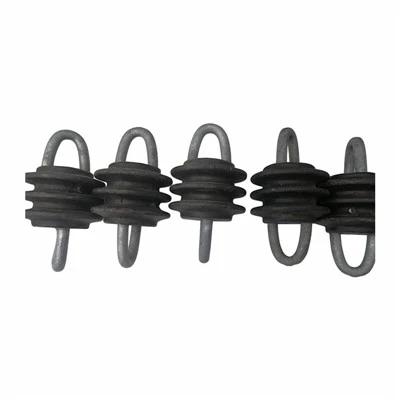
If you’re tired of dealing with broken hangers, lost inventory, or inefficient storage and display systems, let’s chat. I can help you find the right power fittings for your specific needs, whether you need standard fittings or custom-designed solutions tailored to your products and operations. Every business is different, and there’s no one-size-fits-all when it comes to hanger fittings, but I’ve got the expertise to help you find what works best for you. Reach out whenever you’re ready to talk more.
Power Fittings References:
- Hanger Industry Association. (2022). Global Hanger Components and Power Fittings Market Report. HIA Publications.
- Smith, J. (2021). Engineering for Hanger Durability: A Guide to Power Fitting Design. Journal of Retail Supply Chain Management.
- Environmental Protection Agency. (2023). Sustainable Packaging and Storage Solutions: Hanger and Fitting Best Practices. EPA Waste Reduction Series.
- Thompson, L. (2020). Warehouse Operations Efficiency: The Impact of Hanger and Fixture Design on Labor Productivity. Industrial Logistics Quarterly.
Hebei Tongchuang Power Fittings Co., Ltd.
With abundant experience, we are one of the most professional power fittings manufacturers and suppliers in China. Please feel free to buy advanced power fittings for sale here from our factory. Good service and quality products are available.
Address: Houxiaohan Industrial Zone, Xingbieying Town, Hejian City, Hebei Province, P.R. China
E-mail: tongchuangepf@gmail.com
WebSite: https://www.tongchuangpower.com/
