Hey there! As a supplier of low – bed trailers, I often get asked about the differences between low – bed trailers and regular trailers. So, I thought I’d take a few minutes to break it down for you. Low-bed Trailer
First off, let’s talk about the design. A regular trailer, the kind you see hauling all sorts of stuff on the highway, usually has a flatbed or a box – like structure sitting at a standard height. It’s built to be a versatile workhorse, capable of carrying a wide variety of goods, from furniture to small machinery. The deck of a regular trailer is typically at a height that makes it easy to load and unload using standard forklifts or ramps.
Now, a low – bed trailer is a whole different beast. The most obvious difference is in its name – the bed is low. The deck of a low – bed trailer is much closer to the ground compared to a regular trailer. This is achieved through a special design that often includes a gooseneck or a drop – deck configuration. The gooseneck design allows the trailer to be attached to the towing vehicle in a way that lowers the front part of the trailer deck. The drop – deck, on the other hand, has a section of the deck that drops down, further reducing the overall height.
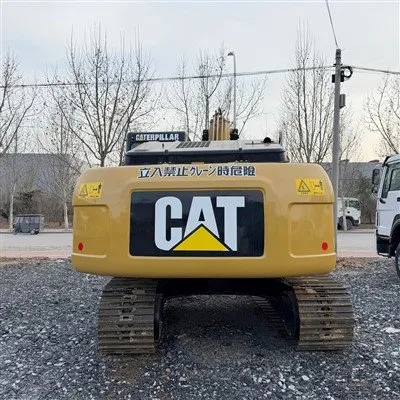
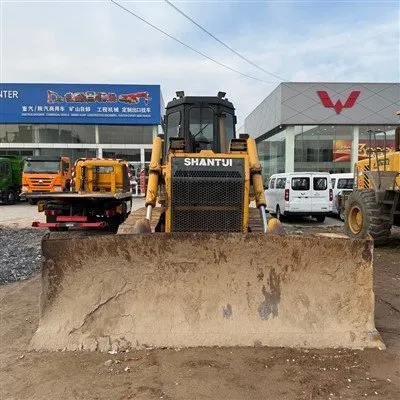
The reason for this low – lying design is all about the types of loads it’s meant to carry. Low – bed trailers are engineered to transport oversized and heavy – duty equipment. Think construction machinery like bulldozers, excavators, and large cranes. These machines are often too tall to fit on a regular trailer due to height restrictions, both on the trailer itself and on the roads. With a low – bed trailer, the lower deck height means that even very tall equipment can be loaded without hitting any height limits.
In terms of capacity, while regular trailers can carry a decent amount of weight, low – bed trailers are built for the heavy stuff. They’re designed to handle extremely high – load capacities. A regular trailer might have a maximum load capacity in the range of 20 – 30 tons, depending on its size and configuration. But a low – bed trailer can easily handle loads of 50 tons or more. Some of our heavy – duty low – bed trailers can even carry loads upwards of 100 tons! This is because they have a more robust frame and suspension system to support the extra weight.
Another difference lies in the loading process. Loading a regular trailer is, relatively speaking, a straightforward affair. If it’s a flatbed, you can drive equipment onto it using a ramp or use a forklift to lift items on. For box trailers, loading doors make it easy to get cargo inside. However, loading a low – bed trailer requires a bit more planning and specialized equipment. Since the loads are often large and heavy, you might need a crane or a hydraulic lift system to get the equipment onto the trailer safely. The low – bed design can make it challenging to use standard ramps in some cases, so custom – made ramps or specialized loading solutions are often required.
Road performance is also a factor where these two types of trailers differ. Regular trailers are generally more maneuverable, especially in tight spaces. They’re designed to be able to make sharp turns and navigate city streets and smaller roads with relative ease. Their standard height and configuration don’t pose as many challenges when it comes to clearance. Low – bed trailers, on the other hand, due to their length and the nature of the loads they carry, are less maneuverable. They require more space to turn, and the driver needs to be extra cautious when navigating through traffic or tight corners.
When it comes to cost, low – bed trailers are typically more expensive than regular trailers. This is due to their specialized design, higher load – bearing capacity, and the need for more robust materials and construction methods. A regular trailer can cost anywhere from a few thousand dollars to tens of thousands, depending on its size and features. But a well – built low – bed trailer can set you back a significant amount, often starting in the tens of thousands and going up into the hundreds of thousands of dollars. However, the price is justified when you consider the value it brings in terms of its ability to transport critical and often expensive heavy equipment.
Now, let’s talk about the maintenance aspect. Regular trailers are relatively easy to maintain. Basic checks like tire pressure, brake inspections, and lubrication of moving parts are the norm. Most of these maintenance tasks can be done by an in – house maintenance team or a local mechanic. Low – bed trailers, being more complex and built for heavy – duty use, require more thorough and regular maintenance. The suspension system, which has to bear the brunt of the heavy loads, needs to be inspected frequently. The frame also needs to be checked for any signs of stress or damage, as the high loads can put a lot of strain on it. Specialized knowledge and equipment may be needed for some maintenance tasks, which can make the maintenance process a bit more involved and costly.
In terms of regulatory requirements, low – bed trailers often have more hoops to jump through. Transporting oversized and heavy – load equipment usually means obtaining special permits. These permits take into account the size, weight, and route of the transport. They may also have specific time restrictions, such as only allowing transportation during off – peak hours to minimize traffic disruptions. Regular trailers, for most standard loads, usually just need to comply with general transport regulations and may not require special permits.
So, why would you choose a low – bed trailer over a regular trailer? Well, if you’re in the construction, mining, or heavy equipment industry, a low – bed trailer is a must – have. It’s the only practical solution for moving large and tall machinery from one site to another. A regular trailer just won’t cut it in these situations. On the other hand, if you’re in the business of transporting smaller, lighter goods like consumer products or small – scale industrial equipment, a regular trailer is probably all you need.
If you’re in the market for a low – bed trailer, we’ve got you covered. We offer a wide range of low – bed trailers, from small – to medium – sized models for lighter loads to heavy – duty behemoths that can handle the most extreme loads. Our trailers are built with high – quality materials and designed to meet the toughest industry standards.
If you’re interested in learning more about our low – bed trailers or want to discuss your specific transportation needs, don’t hesitate to reach out. Just send us an inquiry, and our team of experts will be happy to chat with you. We can provide you with detailed information, answer all your questions, and even help you customize a trailer that’s perfect for your business.
Tank Trailer References:
- Industry knowledge and experience in the low – bed trailer manufacturing and supply business.
- Conversations with clients and industry professionals over the years.
- Observations of real – world trailer use and performance in various industries.
Shandong Huayuanda Automobile Manufacturing Co., Ltd.
As one of the most experienced low-bed trailer manufacturers and suppliers in China, our products have good reputation in the market. We warmly welcome you to buy high quality low-bed trailer at low price from our factory. If you have any enquiry about cooperation, please feel free to email us.
Address: Industrial Park, Quanpu Town, Liangshan County, Jining City, Shandong Province
E-mail: Huayuanda2024@163.com
WebSite: https://www.hydtrailer.com/
