If you’ve ever worked on a plumbing, industrial piping, or even a DIY home repair project, you know that a stuck pipe nipple is one of the most frustrating, and often unavoidable, headaches. I’ve been a pipe nipple supplier for over 12 years, and I’ve heard countless stories from plumbers, maintenance technicians, and hobbyists who’ve spent hours (or even days) fighting a nipple that just won’t budge. Too often, people jump to brute force first—wrenching too hard, using the wrong tools, or causing more damage to threads, pipes, or surrounding materials. Over the years, I’ve learned that removing a stuck pipe nipple is as much about science and patience as it is about skill. Today, I’m breaking down the safest, most effective methods, plus common mistakes to skip, all from the perspective of someone who supplies these parts and sees the damage improper removal causes every week. Pipe Nipples
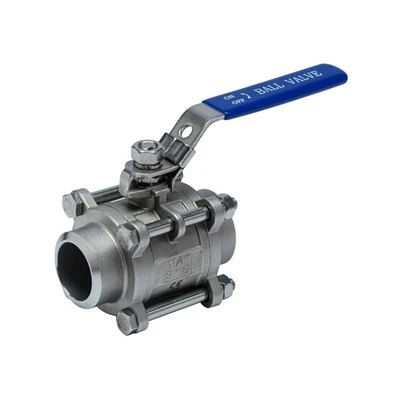
First, let’s get clear on what a pipe nipple is, because that context matters. A pipe nipple is a short length of pipe, usually 2 to 12 inches long, with male threads on both ends. It’s used to connect two fittings (like valves, elbows, or couplings) in a piping system—think of it as the middleman that bridges two components. Nipples are made from materials like carbon steel, stainless steel, brass, or PVC, which means their stuck points vary: a steel nipple corroded in a cast iron fitting will need a different approach than a PVC nipple stuck in a threaded plastic coupling. The most common reasons a nipple gets stuck? Thread sealant (like Teflon tape or pipe dope) that’s been on for years, corrosion between the male and female threads, overtightening during installation, or even a shift in the piping system that creates micro-friction between threads.
Before you grab a wrench, stop and do a quick pre-inspection. Skipping this step is how people end up snapping a nipple or damaging the fitting it’s attached to. First, visually check the area around the nipple: is it exposed, or is it buried behind a wall, under concrete, or inside a tight mechanical room? Is the surrounding pipe (or fitting) steel, brass, or something else? Next, test the threads’ condition: if the nipple moves at all when you apply light pressure, even just a tiny wiggle, that’s a sign you don’t need heavy tools—yet. If it’s completely locked, that’s when you’ll need targeted methods. I always tell my customers: 80% of stuck nipples don’t require brute force; they require breaking the bond between the threads.
Let’s start with the least invasive methods, which are best for preserving your nipple and surrounding components. The first is heat. Corrosion is often the main culprit for a stuck nipple, and heat expands metal. The key here is to heat the fitting (not the nipple itself, if possible) or the area around the threads just enough to break the corrosion bond, without melting any nearby materials (like PVC or sealants). For steel nipples, a handheld propane torch works well—hold it 2 to 3 inches away from the female fitting (the part the nipple is screwed into) and heat for 1 to 2 minutes. You’ll see the fitting start to turn slightly darker, which means it’s expanded. Immediately after turning off the torch, grab a pipe wrench or adjustable wrench (use a properly sized one for the nipple’s size—wrench should grip at least 2/3 of the nipple’s length to avoid rounding the threads) and turn it counterclockwise. The sudden cooling of the metal also creates a tiny gap between the threads, which is why this works. A word of caution: never heat a PVC or plastic fitting—for those, skip to lubrication next.
Lubrication is another low-effort, high-success method that works for most stuck nipples, especially those held by old sealant. There are two types of lubricants to use: penetrating oils and thread lubricants. Penetrating oils (like PB Blaster, WD-40 Specialist, or even light machine oil) seep into micro-gaps between threads and break down dried sealant or corrosion. Spray the lubricant generously on the joint, then let it sit—ideally 8 to 12 hours, or even overnight for really stubborn ones. If the nipple is in a hard-to-reach spot, you can wrap a cloth soaked in penetrating oil around the joint to let it seep in. For steel nipples, once the oil has soaked, gently tap the end of the nipple with a rubber mallet (not a steel hammer—steel will damage threads) to help vibrate the oil into the threads. Then try turning it counterclockwise. I’ve had customers tell me this works even on nipples that have been stuck for years—they just didn’t give the oil enough time to do its job. For brass nipples, a specialty thread lubricant (like anti-seize compound, actually) works great too, though anti-seize is usually for preventing future stuck nipples, it can also break down old, hardened sealant.
If heat and lubrication don’t work, you might have a nipple that’s overtightened or severely corroded, so it’s time for a bit more targeted force, but still no brute wrench slinging. First, use a pipe wrench for maximum grip—adjust the wrench so the fixed jaw is on the back of the nipple (the side that will stay still) and the movable jaw is on the front, turning counterclockwise. Never use an adjustable wrench on a nipple smaller than 1 inch; adjustable wrenches round off threads easily, and a rounded nipple is a nightmare to remove. If a standard pipe wrench still slips, a chain wrench (or strap wrench) can grip more evenly around the nipple’s circumference, reducing the risk of rounding. For larger nipples (2 inches and up), a cheater bar (a 2 to 3 foot length of pipe slipped over your wrench handle) gives extra leverage, but never use a cheater bar on a small nipple—too much force will snap it.
Now, what if all that still doesn’t work? You might be dealing with a nipple that’s so stuck you can’t get a proper grip, or a threaded section that’s corroded so badly it’s fused to the fitting. That’s when you need to cut the nipple, but only if you can access the end without damaging surrounding materials. First, use a pipe cutter (for steel or copper) or a hacksaw with a metal blade. Cut the nipple about 1/4 inch away from the fitting, so you don’t damage the fitting’s threads. Once you’ve cut it, you’ll have two short stubs: one still threaded into the fitting, and one removed. For the remaining stub, you can use a nipple extractor tool, which is designed to grip internal threads and twist the stub out. If you don’t have an extractor, you can carefully file two flat sides on the stub with a metal file, then use a small pipe wrench to grip the flats and turn counterclockwise. For PVC nipples, a hacksaw or PVC cutter works, but be extra careful not to cut into the female fitting’s threads.
Now, let’s cover the mistakes that I see customers make all the time, which turn a minor stuck nipple into a major repair. The first mistake is using too much force too soon. I’ve had customers come to me with broken nipples, or fittings with stripped threads, because they grabbed a big wrench and wrenched as hard as they could. A snapped nipple means you have to cut out the entire section, replace both the nipple and the fitting, which adds time and cost. The second mistake is using the wrong lubricant. Regular WD-40 (not the Specialist penetrating formula) is useless for this—its lubricating properties don’t penetrate thread gaps enough. Skip household oils like vegetable oil too, which can leave residue and actually make future installations harder. The third mistake is ignoring pressure. If you’re working on a water or gas line, turn off the water/gas supply, drain any remaining fluid from the line, and wear safety goggles. If a stuck nipple breaks suddenly, fluid can spray out at pressure, causing injury. The fourth mistake is rounding threads. Rounded male threads on a nipple mean you can’t get a proper grip, so you’ll have to cut it out, which as I said before, adds work. To avoid this, always use a properly sized wrench, not a too-small or too-big one.
Once you’ve successfully removed the nipple, there’s one final step that prevents this from happening again: using anti-seize compound on the threads before installing a new nipple. This is especially important for steel or brass nipples that will be in damp or outdoor environments, where corrosion is a risk. I supply pipe nipples in a range of sizes, materials, and lengths, and I always recommend that customers apply a thin, even coat of anti-seize to both ends of the nipple’s male threads before screwing them into fittings. This creates a barrier that prevents corrosion, makes future removal easy, and also helps with leak-proofing (alongside the right thread sealant, of course).
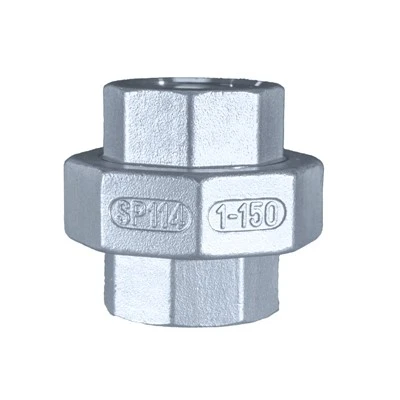
If you’re still unsure which method is right for your stuck pipe nipple, or you need a replacement nipple for your repair, reach out to our team to discuss your needs. We offer a full range of pipe nipples in carbon steel, stainless steel, brass, and PVC, with custom lengths and sizes available to fit any project. Our experts can help you choose the right materials and share tips specific to your piping system, no matter if you’re a home DIYer or a commercial maintenance technician. Don’t let a stuck nipple turn your project into a hassle—get in touch with us to find the right solution for your repair.
ISO 4144 Pipe Fittings References
- Plumbing-Heating-Cooling Contractors Association. (2021). Standard Practices for Pipe Installation and Repair. National Association of Plumbing-Heating-Cooling Contractors.
- Threaded Pipe Fittings: Installation, Maintenance, and Troubleshooting. (2020). American Society of Mechanical Engineers (ASME) B31 Series.
- "Penetrating Lubricants for Fastener Removal." (2019). Industrial Lubrication and Tribology, Vol. 71, No. 3, pp. 345-352.
- Plumbing Tools and Techniques for Residential Repairs. (2022). International Code Council (ICC) Residential Plumbing Guide.
United Brothers Metal Products Co., Ltd.
United Brothers Metal Products Co., Ltd. is one of the most professional pipe nipples manufacturers and suppliers in Vietnam. We are committed to providing high quality customized products with competitive price. Please feel free to buy bulk durable pipe nipples in stock here from our factory. Also, pricelist is available.
Address: Lot 61c2, 99a, 99b Long Giang Industrial Park, Tan Phuoc 3 Commune, Dong Thap Province, Vietnam
E-mail: sales@ubfittings.com
WebSite: https://www.ubvalves.com/
