When it comes to agricultural and industrial irrigation systems, an irrigation gearbox is a critical component. As a supplier of irrigation gearboxes, I’ve been frequently asked about the cost of these essential pieces of equipment. In this blog post, I’ll delve into the factors that influence the price of irrigation gearboxes and provide a general overview of the cost range. Irrigation Gearbox

Factors Affecting the Cost of Irrigation Gearboxes
1. Type of Gearbox
There are several types of irrigation gearboxes available in the market, each designed for specific applications. The most common types include worm gearboxes, bevel gearboxes, and planetary gearboxes.
- Worm Gearboxes: These are known for their simplicity and high reduction ratios. They are often used in applications where a large speed reduction is required in a compact space. Worm gearboxes are generally less expensive compared to other types, with prices starting from around $100 to $300 for small – to medium – sized units. The cost is relatively low due to their straightforward design and fewer components.
- Bevel Gearboxes: Bevel gearboxes are used to change the direction of the shaft’s rotation. They are more complex than worm gearboxes and offer better efficiency in some applications. The price of bevel gearboxes can range from $200 to $800, depending on the size, ratio, and quality of the materials used. Higher – quality bevel gearboxes with precision – machined gears and durable housings will naturally cost more.
- Planetary Gearboxes: Planetary gearboxes are the most advanced and efficient type. They offer high torque density, compact size, and excellent load – sharing capabilities. However, their complex design and manufacturing process make them the most expensive option. Planetary gearboxes for irrigation systems can cost anywhere from $500 to over $2000, especially for larger and high – performance models.
2. Size and Capacity
The physical size of the gearbox and its power – handling capacity are significant factors in determining the cost. Larger gearboxes that can handle higher torque and power requirements generally cost more. For example, a small – scale irrigation system for a home garden might require a gearbox with a low power rating, say 0.5 to 1 horsepower. These smaller gearboxes can be quite affordable, with prices in the range of $100 – $300.
On the other hand, large – scale agricultural or industrial irrigation systems may need gearboxes with power ratings of 10 horsepower or more. These heavy – duty gearboxes can cost several thousand dollars due to the larger amount of materials used, more complex manufacturing processes, and higher – quality components required to handle the increased loads.
3. Material Quality
The materials used in the construction of the gearbox have a direct impact on its cost. Gearboxes can be made from a variety of materials, including cast iron, steel, and aluminum.
- Cast Iron: Cast iron is a common and relatively inexpensive material for gearbox housings. It offers good strength and durability, making it suitable for many irrigation applications. Gearboxes with cast – iron housings are often more budget – friendly, with prices generally lower compared to those made from other materials.
- Steel: Steel is a stronger and more durable material than cast iron. It can withstand higher loads and stresses, which makes it ideal for heavy – duty irrigation gearboxes. However, steel is also more expensive than cast iron, and gearboxes made from steel will typically have a higher price tag.
- Aluminum: Aluminum is lightweight and corrosion – resistant, which makes it a popular choice for gearboxes used in outdoor or wet environments. While aluminum gearboxes are often more expensive than cast – iron ones, they can offer long – term cost savings due to their reduced weight and corrosion resistance, which may lead to lower maintenance costs.
4. Brand and Quality
Well – known brands in the irrigation gearbox industry often charge a premium for their products. This is because these brands have a reputation for producing high – quality, reliable gearboxes. They invest in research and development, use the best manufacturing processes, and offer excellent customer support.
For example, a gearbox from a well – established brand may cost 20% to 50% more than a similar – sized and – spec’d gearbox from an unknown or less – reputable brand. However, the higher cost may be justified by the longer lifespan, fewer breakdowns, and better performance of the branded gearbox.
5. Additional Features
Some irrigation gearboxes come with additional features that can increase their cost. For instance, gearboxes with built – in speed controllers allow for precise adjustment of the output speed, which can be useful in certain irrigation applications. Gearboxes with enhanced sealing to prevent dust and water ingress are also more expensive but offer increased reliability in harsh environments.
General Cost Range
Based on the factors mentioned above, the cost of an irrigation gearbox can vary widely.
For basic, small – scale irrigation needs, such as a simple garden sprinkler system, you can find gearboxes starting at around $100. These are usually small – sized worm gearboxes made of cast iron with a low power rating.
For medium – sized agricultural or industrial irrigation systems, the cost of a gearbox can range from $300 to $1500. These gearboxes may be of the bevel or worm type, with moderate power ratings and standard features.
For large – scale, high – performance irrigation systems, such as those used in commercial farms or large industrial complexes, the cost of a gearbox can exceed $2000. These are typically planetary or heavy – duty bevel gearboxes made from high – quality materials and equipped with advanced features.
Making the Right Choice
When considering the cost of an irrigation gearbox, it’s important to look beyond the initial purchase price. A cheaper gearbox may save you money upfront, but it could end up costing you more in the long run if it breaks down frequently or requires expensive repairs.
On the other hand, a high – end gearbox may have a higher initial cost, but it can offer better performance, longer lifespan, and lower maintenance costs over time. It’s crucial to evaluate your specific needs, such as the size of your irrigation system, the required power and torque, and the environmental conditions in which the gearbox will operate.
Contact for Purchase and Discussion
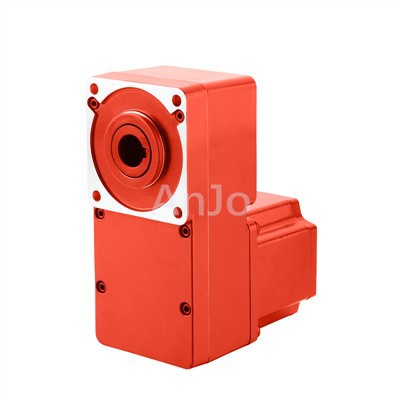
If you’re in the market for an irrigation gearbox, I’m here to help. As an experienced irrigation gearbox supplier, I can provide you with detailed information about our products, including their features, specifications, and prices. Whether you need a small – scale gearbox for your garden or a large – scale solution for your agricultural or industrial project, I can assist you in finding the right gearbox at a competitive price.
DC Brush Planetary Gear Motor Feel free to reach out to me to discuss your requirements. I’m committed to providing you with the best possible solution for your irrigation needs.
References
- "Gearbox Design and Application" by Heinz P. Bloch and Fred K. Geitner.
- "Mechanical Design of Machine Elements and Machines: A Failure – Prevention Perspective" by Robert L. Norton.
- Industry reports on agricultural and industrial irrigation equipment.
Address: No.185, Jincheng Rd., Hangzhou 311202, China
E-mail: export6@angdrive.com
WebSite: https://www.angdrive.com/
