As a supplier of hexagon perforated metal, I’ve witnessed firsthand the significant impact of surface treatment on the durability of our products. In the world of industrial materials, durability is not just a buzzword; it’s a critical factor that determines the long – term performance and cost – effectiveness of any metal product. Hexagon perforated metal, with its unique geometric pattern, is widely used in various industries, from architecture to filtration systems. In this blog, I’ll delve into how different surface treatments can enhance or detract from the durability of hexagon perforated metal. Hexagon Perforated Metal
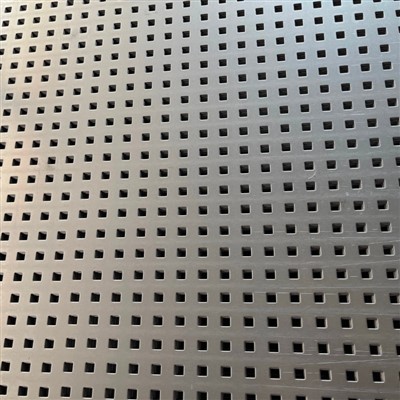
Understanding Hexagon Perforated Metal
Before we explore the role of surface treatment, it’s essential to understand what hexagon perforated metal is. Hexagon perforated metal is a sheet of metal that has been punched or drilled to create a pattern of hexagonal holes. This type of perforation provides a balance between strength, weight, and functionality. It allows for the passage of air, light, and liquids while maintaining the structural integrity of the metal sheet.
The most commonly used metals for hexagon perforated metal include stainless steel, aluminum, and mild steel. Each metal has its own inherent properties in terms of strength, corrosion resistance, and cost. However, regardless of the base metal, surface treatment plays a vital role in improving the metal’s durability under different environmental conditions.
Types of Surface Treatments and Their Impact on Durability
Galvanizing
Galvanizing is one of the most popular surface treatments for hexagon perforated metal, especially when using mild steel as the base material. The process involves coating the metal with a layer of zinc, which acts as a sacrificial anode. In the presence of corrosive agents such as moisture and oxygen, the zinc corrodes instead of the underlying steel.
The thickness of the zinc coating can vary, and a thicker coating generally provides better and longer – lasting protection. For hexagon perforated metal used in outdoor applications, such as fencing or architectural cladding, galvanizing can significantly extend its lifespan. I’ve seen cases where galvanized hexagon perforated metal has withstood decades of exposure to harsh weather conditions with minimal signs of corrosion.
However, galvanizing has its limitations. In highly acidic or alkaline environments, the zinc coating may deteriorate more quickly. Also, during the punching or cutting process, the edges of the perforations may expose the underlying steel, which can be vulnerable to corrosion if not properly treated.
Powder Coating
Powder coating is another effective surface treatment for hexagon perforated metal. It involves applying a dry powder to the metal surface, which is then heated to form a hard, durable finish. The powder can be formulated to provide different colors, textures, and levels of protection.
One of the main advantages of powder coating is its excellent resistance to chipping, scratching, and fading. For hexagon perforated metal used in decorative applications, such as interior wall panels or furniture components, powder coating can enhance both the aesthetic appeal and durability of the product. The smooth and uniform finish also makes it easier to clean and maintain.
In terms of corrosion resistance, powder coating can form a barrier between the metal and the environment. However, if the coating is damaged, moisture can penetrate to the underlying metal and cause corrosion. Therefore, it’s important to ensure proper surface preparation before powder coating to achieve the best adhesion and protection.
Anodizing
Anodizing is primarily used for aluminum hexagon perforated metal. It is an electrochemical process that creates a thin, hard oxide layer on the surface of the aluminum. This oxide layer is much more resistant to corrosion, abrasion, and wear compared to the natural oxide layer on aluminum.
The anodizing process can be adjusted to produce different thicknesses and colors of the oxide layer. For hexagon perforated metal used in high – traffic areas or applications where it may come into contact with abrasive materials, anodizing can significantly improve its durability. Additionally, the anodized layer is non – toxic and does not peel or flake, making it suitable for applications in the food and beverage industry or medical equipment.
However, anodizing can be expensive compared to other surface treatments, and the process requires careful control to ensure uniform coating thickness and quality.
The Role of Surface Treatment in Different Applications
Architectural Applications
In architecture, hexagon perforated metal is often used for facade cladding, sunscreens, and interior partitions. The surface treatment not only enhances the durability of the metal but also contributes to the overall aesthetic of the building. Galvanized or powder – coated hexagon perforated metal can resist the effects of weathering, including rain, snow, and UV radiation.
For example, a building in a coastal area may benefit from galvanized hexagon perforated metal due to its high resistance to saltwater corrosion. On the other hand, a modern interior design project may opt for powder – coated metal in bright colors to create a visually appealing and durable partition.
Filtration and Separation Applications
In filtration and separation systems, hexagon perforated metal is used as a filter medium. The surface treatment can affect the flow rate of the fluid passing through the perforations as well as the resistance to clogging and corrosion. Anodized aluminum hexagon perforated metal is often preferred in food and beverage filtration due to its non – reactive and corrosion – resistant properties.
If the metal is used in a chemical filtration process, a special chemical – resistant coating may be applied to ensure long – term durability and prevent contamination of the filtered product.
Industrial Machinery and Equipment
Hexagon perforated metal is also used in industrial machinery and equipment for functions such as ventilation, noise reduction, and support structures. Surface treatments like galvanizing or powder coating can protect the metal from the harsh operating conditions, including exposure to chemicals, heat, and mechanical stress.
For example, in a manufacturing plant where the metal is exposed to industrial fumes and oils, a properly powder – coated hexagon perforated metal component will have a longer service life and require less maintenance compared to an uncoated one.
Considerations for Choosing the Right Surface Treatment
When choosing a surface treatment for hexagon perforated metal, several factors need to be considered.
Environmental Conditions
The first and most crucial factor is the environment in which the metal will be used. Outdoor applications require treatments that can withstand weathering, such as galvanizing or powder coating. In contrast, indoor applications with low – humidity and clean environments may not require as robust a surface treatment. For applications in corrosive chemical environments, specialized coatings may be necessary.
Cost
Cost is always a consideration in any business decision. Galvanizing is generally more cost – effective than anodizing, especially for large – scale projects. Powder coating also offers a good balance between cost and performance. However, the long – term cost savings from using a more durable surface treatment should also be taken into account. A more expensive treatment may result in fewer replacement and maintenance costs over the lifespan of the product.
Aesthetic Requirements
For decorative applications, the aesthetic appearance of the surface treatment is important. Powder coating offers a wide range of colors and finishes, while anodizing can provide unique metallic – like colors. Galvanizing, on the other hand, has a more utilitarian appearance but can be painted over if a specific color is required.
Functionality
The functionality of the hexagon perforated metal in its intended application should also influence the choice of surface treatment. For example, if the metal needs to have good electrical conductivity, anodizing or a thin powder coating may be more suitable compared to a thick galvanized layer.
Conclusion
In conclusion, the surface treatment of hexagon perforated metal plays a crucial role in determining its durability. Different surface treatments, such as galvanizing, powder coating, and anodizing, offer varying levels of protection against corrosion, abrasion, and wear. The choice of surface treatment depends on factors like environmental conditions, cost, aesthetic requirements, and functionality.
As a supplier of hexagon perforated metal, I understand the importance of providing high – quality products with the right surface treatment. We are committed to helping our customers make informed decisions about surface treatments to ensure the long – term performance of their hexagon perforated metal products.
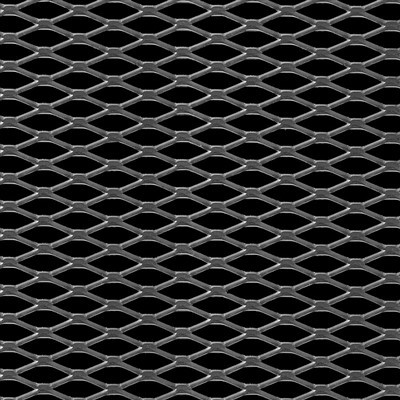
If you are in the market for hexagon perforated metal and want to discuss the best surface treatment options for your specific application, please reach out to us. Our team of experts is ready to assist you in finding the perfect solution for your needs.
References
Expanded Metal ASM Handbook Committee, "ASM Handbook Volume 5: Surface Engineering", ASM International, 1994.
Davis, Joseph R., "Aluminum and Aluminum Alloys", ASM International, 1993.
Schweitzer, Philip A., "Corrosion Resistance Tables (Volume 1)", Marcel Dekker, 1995.
Anping Yilida Metal Wire Mesh Co., Ltd.
Anping Yilida Metal Wire Mesh Co., Ltd. is one of the most reliable hexagon perforated metal manufacturers and suppliers in China, also supports customized service. Please feel free to buy bulk high quality hexagon perforated metal made in China here from our factory.
Address: Wire Mesh Development Zone, Anping, Hebei Province, China
E-mail: sales@wiremesh-yg.cn
WebSite: https://www.yilidametal.com/
