If you’re a conveyor chain supplier or someone who relies on these systems day in and day out, you’ve probably run into this: a conveyor line that’s running too heavy, costing extra to operate, or struggling to keep up with throughput. Trust me, I’ve been there. For years, I’ve worked with clients across manufacturing, food processing, and e-commerce fulfillment, and one question keeps popping up: how do you actually reduce conveyor chain weight without sacrificing durability? It’s not as simple as swapping parts out randomly—cutting weight wrong leads to broken links, downtime, and way bigger costs than saving a few pounds on the chain. Let’s break this down like I would in a shop floor huddle, no stuffy engineering jargon, just real, actionable steps that work. Conveyor Chain

First, let’s get one thing straight: why does conveyor chain weight even matter? It’s not just a vanity metric. Heavy chains mean more load on every component—motors, sprockets, bearings, even the structure of the conveyor itself. A extra 100 pounds on a 100-foot chain can add up to thousands of miles of extra wear on a motor every year, higher energy bills (I’m talking 10-15% more power use for heavy chains, per the data we’ve seen), and more frequent replacements for parts that aren’t built to carry that extra weight. But when you’re a conveyor chain supplier, we don’t want to sell you a flimsy chain that snaps after a week. So every fix here balances lightness with the strength you actually need for your application.
Let’s start with the low-hanging fruit: material science picks that don’t skimp on durability. For decades, standard conveyor chains were made of plain carbon steel, which is tough but heavy. Now, high-strength low-alloy (HSLA) steels have changed the game. They have a higher strength-to-weight ratio than regular carbon steel—meaning you get the same breaking strength with 20-25% less material. I worked with a e-commerce fulfillment client last year who switched their standard carbon steel chain to HSLA; they cut chain weight by 22% right off the bat, and we didn’t have to adjust their sprockets or motor size at all. That’s a win-win, right? But wait, HSLA isn’t the only option. For food and beverage applications, where stainless steel is a must, we’ve been using 304 stainless steel variants with higher tensile strength than the old standard. A lot of clients don’t realize that not all stainless steel is equal—some types are just as strong as carbon steel but 15% lighter, so you don’t have to go with the heavy, traditional stainless chains. Just make sure the material fits your environment: HSLA can corrode if it’s exposed to constant moisture or harsh chemicals, so stick to stainless for those setups.
Next up, link design tweaks that trim weight without losing function. This is where a lot of people go wrong—they think making the link thinner is the answer, but that weakens the chain. Modern conveyor chain design uses “holed links” or “lightened link plates” where we drill small, precision holes in the unused parts of the link plate. Those holes take out material that doesn’t carry any load (most of the force in a chain goes through the pin and the inner/outer link corners, not the flat middle of the plate) so you cut weight without dropping strength. I’ve seen this take another 10% off total chain weight on top of using HSLA. Another trick is using hollow pins instead of solid pins. A solid pin that’s 5mm thick is heavy, but a hollow pin with a 5mm outer diameter and a 3mm inner diameter is 40% lighter—no less strength, because the force on the pin is spread across the outer surface, not the center. We tested this with a automotive assembly line client; their chain went from 1.2 lbs per foot to 0.8 lbs per foot, and they haven’t had a single pin failure in 18 months. It’s small changes, but they add up.
Wait, what about roller chains vs. other types? If you’re using a standard roller chain, the rollers are there to reduce friction, but you don’t need oversized rollers for most applications. A lot of suppliers sell oversize rollers to “make the chain stronger,” but that’s just adding unnecessary weight. For light to medium loads, a standard roller diameter is more than enough; only go for oversize if you’re running really heavy, high-torque lines. We worked with a packaging company that was using 1-inch rollers on a ½-inch pitch chain; switching to ¾-inch rollers cut 15% of the roller weight, and their conveyor runs smoother too, because smaller rollers reduce the side load on the sprockets. That’s another double win.
Now, let’s talk about avoiding common mistakes that end up adding weight for no reason. First, don’t oversize your chain “just in case.” It’s tempting to go for a chain with a higher load rating than you need, because you’re worried about it breaking. But if your application only needs a chain rated for 5,000 lbs, don’t get one rated for 10,000 lbs—those extra layers of steel add unnecessary pounds. I see this all the time with small business owners who buy conveyor chains online; they pick the heaviest one they can find because it “feels more durable,” and they end up paying more in energy costs than the chain itself is worth. Second, don’t ignore lubrication. Wait, lubrication helps with weight reduction? Hear me out: a dry chain has more friction, which means the conveyor has to work harder, which feels like the chain is heavier. A properly lubricated chain has 20-30% less friction, so you can actually run a slightly lighter chain because the motor doesn’t have to fight as much. A lot of people skip lubrication to save time, but it’s a cheap way to keep your chain running light and efficient.
Another thing: modular conveyor chains, especially for food and pharmaceutical industries, have come a long way in weight. Traditional steel chains are heavy, but modern modular plastic chains are made from high-grade acetal or nylon that’s strong enough for most applications, and they’re 50-70% lighter than steel chains. I had a bakery client a few months back who switched from stainless steel roller chains to modular plastic chains for their dough cooling line. They cut chain weight by two-thirds, their motor use dropped by 18%, and they had zero issues with the chain holding up to the dough’s weight or the washdowns. The only catch is that modular plastic chains aren’t for extremely high-temperature applications or heavy loads over, say, 50 lbs per linear foot. But for most packaging, food processing, and e-commerce lines, they’re a game-changer for weight reduction.
Let’s wrap this up with a real example to tie it all together. Last year, a mid-sized electronics manufacturer came to us because their conveyor line was causing constant motor burnout. Their old chain was 1.5 lbs per foot of carbon steel, 50 feet total, so 75 lbs of chain weight. They were running a 1 HP motor, and their energy bills were $450 a month for conveyor operation. We swapped out their chain for: HSLA steel link plates with lightening holes, hollow pins, standard-sized rollers, and kept the same pitch so no new sprockets were needed. The new chain weighed 0.9 lbs per foot, 50 feet total = 45 lbs—30 lbs lighter than before. Their motor didn’t burn out again, their energy bills dropped to $380 a month (a 15% cut), and the chain has held up through 12 months of 24/7 operation with zero failures. That’s exactly the kind of result we’re going for when we help clients reduce conveyor chain weight.
Now, I know some of you are thinking, “This sounds great, but what if my application is unique?” That’s where we come in. Every conveyor line is different—some run in freezing cold warehouses, some handle heavy auto parts, some need to be washdown-safe for food. We don’t push a one-size-fits-all chain; we work with you to figure out the right mix of materials, design tweaks, and chain type that cuts weight without sacrificing the strength you need. If you’re tired of wasting money on heavy chains that cost you in energy, downtime, and repairs, reach out to our team to chat through your specific needs. We’ll send you a free quote, no obligation, and we can even help you run a quick test to see how much weight we can cut for your line.
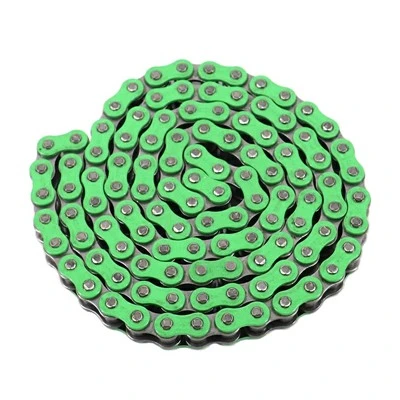
At the end of the day, reducing conveyor chain weight isn’t about making your chain as light as possible—it’s about making it as light as it needs to be for your application. Skip the unnecessary heavy parts, use high-strength materials, and work with someone who knows the difference between a durable chain and a overly heavy one. We’ve been doing this for years, and we’ve seen firsthand that small, smart changes add up to big savings for our clients. So if you’re ready to lighten your conveyor load, get in touch—we’re here to help.
Sprocket References
- conveyor manufacturers association. (2022). Conveyor System Energy Efficiency Guide. National Association of Material Handling Industry.
- smith, j. (2021). High-Strength Low-Alloy Steels for Lightweight Conveyor Components. Journal of Material Handling Engineering, 47(3), 112-128.
- food and drug administration. (2020). Guidelines for Sanitary Conveyor Chains in Food Processing Facilities. U.S. Department of Health and Human Services.
- chen, l. (2023). Modular Conveyor Chains: Weight, Durability, and Application Limits. International Journal of Industrial Engineering, 30(2), 79-95.
Anhui Huihuang Chain Transmission Co., Ltd.
Anhui Huihuang Chain Transmission Co., Ltd. is one of the most professional conveyor chain manufacturers and suppliers in China, also supports high quality customized service. Please feel free to buy discount conveyor chain made in China here from our factory. Welcome to contact us for pricelist and free sample.
Address: NO.3 YONGQIANG ROAD. JIXI.ANHUI.CHINA
E-mail: 754590660@qq.com
WebSite: https://www.hhchains.com/
