Hey there! I’m working for a combing machine supplier, and today I wanna chat about a super interesting question: Can a combing machine be automated? Combing Machine
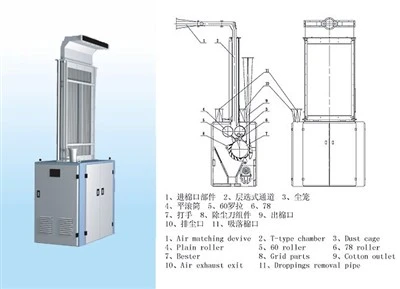
Let’s first understand what a combing machine is. In the textile industry, a combing machine plays a vital role. It’s used to remove short fibers, impurities, and neps from the sliver, producing a more uniform and high – quality product. Traditionally, operating a combing machine required a lot of manual input. Workers had to keep an eye on the machine, feed the materials, and make adjustments as needed.
But with the development of technology, the idea of automating combing machines has become more and more appealing. One of the major advantages of automation is increased efficiency. An automated combing machine can run at a constant speed, without getting tired like human operators. It can work 24/7 if necessary, which significantly boosts the production capacity. For example, in a large – scale textile mill, an automated combing machine can process a much larger volume of sliver compared to a manually – operated one in the same amount of time.
Another benefit is improved product quality. Automated combing machines can be precisely programmed to perform tasks with a high degree of accuracy. They can maintain consistent settings for removing short fibers and impurities, resulting in a more uniform and high – quality output. This consistency is crucial in the textile industry, where the quality of the final product depends largely on the quality of the intermediate materials.
Now, let’s talk about the technologies that make the automation of combing machines possible. One key technology is sensors. Sensors can be installed on the combing machine to monitor various parameters such as the speed of the machine, the quantity and quality of the input material, and the temperature. These sensors can detect any abnormalities in real – time and send signals to the control system. For example, if the sensor detects a blockage in the feed system, it can immediately stop the machine to prevent damage and notify the maintenance staff.
Programmable Logic Controllers (PLCs) are also an important part of the automation process. PLCs are used to control the operations of the combing machine based on pre – set programs. They can manage different functions, such as the movement of the combs, the speed of the conveyor belts, and the timing of the material feeding. With the help of PLCs, the combing machine can perform complex operations automatically and adjust to different production requirements.
Artificial Intelligence (AI) and Machine Learning (ML) are also starting to make their way into combing machine automation. AI algorithms can analyze the data collected by the sensors to predict potential problems and optimize the production process. For example, an AI system can identify patterns in the quality of the output and adjust the machine settings accordingly to improve the quality. Machine learning can also be used to train the system to recognize different types of impurities and adjust the combing process to remove them more effectively.
However, there are also some challenges in automating combing machines. One of the main challenges is the high initial investment. Developing and implementing an automated combing machine requires a significant amount of capital for research and development, sensor installation, and software programming. Small and medium – sized textile mills may find it difficult to afford such an investment.
Another challenge is the need for skilled technicians. Although an automated combing machine reduces the need for manual labor on the production floor, it requires technicians who are familiar with the automation technologies. These technicians need to be able to install, maintain, and troubleshoot the automated systems. There is currently a shortage of such skilled workers in the industry.
In addition, integrating an automated combing machine into an existing textile production line can be a complex process. Existing production lines may have different specifications and operating systems, and ensuring compatibility between the new automated machine and the old equipment can be a headache.
But despite these challenges, the trend towards automation in combing machines is undeniable. Many large – scale textile manufacturers are already investing in automated combing machines to improve their competitiveness. They are seeing the benefits in terms of increased efficiency, better product quality, and reduced labor costs.
If you’re in the textile industry and looking to upgrade your production capabilities, an automated combing machine might be just what you need. Our company, as a leading combing machine supplier, has been at the forefront of this automation trend. We’ve been working hard to develop and improve our automated combing machines to meet the diverse needs of our customers.
Our automated combing machines are equipped with the latest sensors and control systems, ensuring high – precision operation and real – time monitoring. We also offer customized solutions to fit different production requirements. Whether you’re a small – scale workshop or a large – scale textile mill, we have the right product for you.
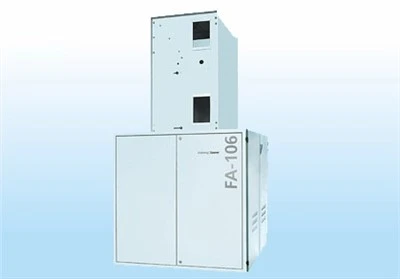
If you’re interested in learning more about our automated combing machines or have any questions about automation in the combing process, don’t hesitate to reach out to us. We’re always here to have a chat with you and discuss how we can help you improve your production efficiency and product quality. Let’s work together to take your textile production to the next level!
Drawing Frame Machine References:
- Textile Machinery Handbook
- Journal of Textile Technology
Shandong Hongye Machinery Co., Ltd.
Shandong Hongye Machinery Co., Ltd. is one of the most professional combing machine manufacturers and suppliers in China, featured by quality products and low price. Please rest assured to buy advanced combing machine in stock here and get quotation from our factory. Also, 1 year warranty is available.
Address: Room 1104, Building No. 2, Haier Yunjie, No. 99 Chongqing South Road, Qingdao, China
E-mail: sales@seavincn.com
WebSite: https://www.sdhymachinery.com/
