Hey there! As an activated carbon supplier, I often get asked whether activated carbon can remove dyes from water. It’s a hot topic, especially in industries like textile, food, and cosmetics, where dye wastewater treatment is a big deal. So, let’s dive right in and explore this question. Activated Carbon
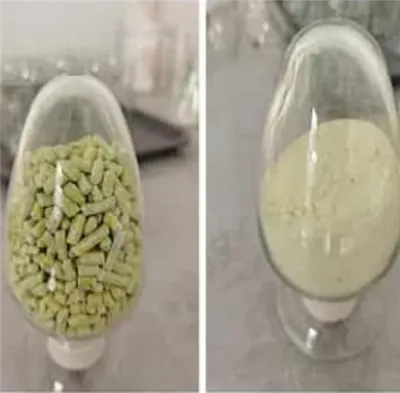
First off, what exactly is activated carbon? Well, it’s a form of carbon processed to have small, low – volume pores that increase the surface area available for adsorption. Adsorption is the key here. Unlike absorption (where a substance is taken inside another), adsorption is when molecules of a substance adhere to the surface of another. Activated carbon has a massive surface area – think of it like a super – sponge with millions of tiny nooks and crannies.
Now, let’s talk about dyes. Dyes are water – soluble colored substances that are used to impart color to a variety of materials. There are different types of dyes, such as reactive dyes, acid dyes, and basic dyes. The problem is, when these dyes end up in water bodies, they not only make the water look bad but also have a negative impact on aquatic life. They can block sunlight from penetrating the water, which is crucial for photosynthesis of aquatic plants.
So, can activated carbon really remove these dyes from water? The short answer is yes, and the long answer is a more detailed yes with some explanations.
Activated carbon works by attracting dye molecules to its surface. The porous structure of activated carbon provides plenty of space for these molecules to stick to. The mechanism mainly depends on two factors: physical adsorption and chemical adsorption.
Physical adsorption is pretty straightforward. It’s like static cling. The dye molecules are attracted to the surface of the activated carbon due to weak van der Waals forces. These forces are just like the forces that make a balloon stick to a wall after you rub it on your hair. The more porous the activated carbon is, the more surface area is available for these weak interactions, and the more dye it can adsorb.
Chemical adsorption is a bit more complex. Sometimes, there are chemical reactions between the surface of the activated carbon and the dye molecules. For example, if the activated carbon has certain functional groups on its surface, it can form chemical bonds with the dye molecules. This kind of adsorption is usually stronger and more selective than physical adsorption.
Let’s look at some real – world scenarios. In the textile industry, a huge amount of water is used for dyeing processes, and this water gets contaminated with various dyes. Activated carbon can be a game – changer here. By passing the dye – contaminated water through an activated carbon filter, the dyes get trapped in the carbon, and the water comes out much cleaner.
The same goes for the food and beverage industry. Some food products are dyed to make them more appealing. When cleaning the equipment used in the production process, the wastewater often contains these dyes. Activated carbon can be used to treat this wastewater, ensuring that it meets environmental standards before being discharged.
But, it’s not always a walk in the park. There are some factors that can affect the efficiency of activated carbon in removing dyes. For instance, the pH of the water matters. Different dyes have different charges at different pH values. If the pH is not right, the dye molecules may not be attracted to the activated carbon as well.
The temperature also plays a role. In general, higher temperatures can increase the rate of adsorption up to a certain point. But if the temperature is too high, it can also cause the adsorbed dye molecules to desorb from the activated carbon surface.
The concentration of the dyes in the water is another important factor. If the dye concentration is too high, the activated carbon may get saturated quickly. Once it’s saturated, it won’t be able to adsorb any more dyes, and you’ll need to replace or regenerate the carbon.
Particle size of the activated carbon is also crucial. Smaller particle sizes usually have a larger surface area, which means more adsorption capacity. But they can also cause more flow resistance when used in a filter system.
So, how can we make the most of activated carbon for dye removal? Well, first, we need to choose the right type of activated carbon. There are different sources of activated carbon, like wood, coal, and coconut shells. Coconut shell – based activated carbon, for example, has a high microporosity, which makes it great for adsorbing small – sized dye molecules.
We also need to optimize the operating conditions. This includes adjusting the pH, temperature, and flow rate of the water passing through the activated carbon filter. And of course, regular monitoring and maintenance are essential to ensure that the activated carbon is working effectively.
As a supplier of activated carbon, I’ve seen the amazing results that it can bring in dye removal applications. I’ve worked with numerous companies in different industries, and I can tell you that activated carbon is a reliable and cost – effective solution.
If you’re in an industry that deals with dye – contaminated water, you might be thinking about switching to activated carbon for your wastewater treatment. And that’s a great idea! Activated carbon is not only effective in removing dyes but also has a relatively low environmental impact compared to some other treatment methods.
So, if you’re interested in learning more about how activated carbon can work for your specific dye – removal needs, or if you’re ready to place an order, don’t hesitate to reach out. We can have a chat about your requirements, and I can help you choose the best type of activated carbon for your situation.
In conclusion, activated carbon is a powerful tool for removing dyes from water. It has its own set of challenges, but with the right approach, it can be extremely effective. Whether you’re a small – scale business or a large industrial operation, activated carbon can make a significant difference in your wastewater treatment process.
Dithiocarbamate Collectors References
- "Adsorption of Dyes on Activated Carbon: A Review" by Foo K.Y. and Hameed B.H.
- "Dye Adsorption Equilibrium and Kinetics on Activated Carbon Prepared from Date Pits" by M. J. Khattri and N. Singh
- "Textile Dyeing Wastewater Treatment Using Activated Carbon" from various industry – specific case studies
Bitop Bihope Qingdao Mining Co., Ltd
Bitop Bihope Qingdao Mining Co., Ltd. is one of the most professional activated carbon manufacturers and suppliers in China, featured by quality products and low price. Please rest assured to buy discount activated carbon in stock here and get quotation from our factory. Customized orders are welcome.
Address: Room 410, 4th Floor, Shengquan Business Building, No. 263 Yitong Road, Huangdao District, Qingdao City, Shandong Province, China
E-mail: btbhmining@163.com
WebSite: https://www.btbhmining.com/
