Are firefighting boots resistant to mold and mildew? Firefighting Boots
As a supplier of firefighting boots, I’ve often been asked about the resistance of our products to mold and mildew. This is a crucial concern, especially considering the harsh and damp environments that firefighters often operate in. In this blog, I’ll delve into the factors that affect the mold and mildew resistance of firefighting boots, the measures we take to enhance this resistance, and the importance of proper maintenance.
The Threat of Mold and Mildew in Firefighting Environments
Firefighters are constantly exposed to a variety of challenging conditions, including water, humidity, and debris. These factors create an ideal breeding ground for mold and mildew. Mold and mildew are types of fungi that thrive in warm, damp, and dark environments. They can grow on the surface of the boots, as well as within the materials, causing a range of problems.
One of the most obvious issues is the aesthetic damage. Mold and mildew can leave unsightly stains and discoloration on the boots, making them look dirty and unprofessional. In addition to the visual impact, mold and mildew can also cause structural damage to the boots. They can break down the fibers of the materials, weakening the boots and reducing their durability. This can lead to premature wear and tear, and may even compromise the safety of the firefighters.
Another concern is the health risks associated with mold and mildew. These fungi can produce allergens, irritants, and toxins that can cause respiratory problems, skin irritation, and other health issues. Firefighters are already at risk of exposure to a variety of hazardous substances, and the presence of mold and mildew can exacerbate these risks.
Factors Affecting Mold and Mildew Resistance
The resistance of firefighting boots to mold and mildew depends on several factors, including the materials used, the design of the boots, and the manufacturing processes.
Materials
The choice of materials is crucial in determining the mold and mildew resistance of the boots. Some materials are more resistant to fungi than others. For example, leather is a popular choice for firefighting boots because it is durable and provides good protection. However, leather is also porous, which means it can absorb moisture and provide a suitable environment for mold and mildew to grow. To enhance the resistance of leather boots, they are often treated with special coatings or finishes that repel water and prevent the growth of fungi.
Synthetic materials, such as nylon and polyester, are also commonly used in firefighting boots. These materials are generally more resistant to mold and mildew than leather because they are less porous and do not absorb moisture as easily. However, they may not provide the same level of comfort and breathability as leather.
Design
The design of the boots can also affect their mold and mildew resistance. Boots that are well-ventilated allow air to circulate, which helps to keep the feet dry and reduce the risk of mold and mildew growth. Features such as mesh panels, perforations, or breathable linings can improve ventilation.
In addition, the construction of the boots should prevent water from entering and pooling inside. Sealed seams, waterproof membranes, and proper closures can help to keep the feet dry and protect the boots from moisture damage.
Manufacturing Processes
The manufacturing processes used to produce the boots can also play a role in their mold and mildew resistance. For example, the use of antimicrobial agents during the manufacturing process can help to prevent the growth of fungi. These agents can be incorporated into the materials or applied as a coating to the surface of the boots.
Measures to Enhance Mold and Mildew Resistance
As a supplier of firefighting boots, we take several measures to enhance the mold and mildew resistance of our products.
Material Selection and Treatment
We carefully select the materials used in our boots to ensure they have good resistance to mold and mildew. In addition to using synthetic materials and treated leather, we also incorporate other innovative materials that are specifically designed to resist fungi.
For example, some of our boots feature a waterproof and breathable membrane that not only keeps the feet dry but also prevents the growth of mold and mildew. This membrane allows moisture vapor to escape from the boots while preventing water from entering.
We also treat our boots with antimicrobial agents to provide an extra layer of protection against fungi. These agents are safe for the environment and the wearer, and they can significantly reduce the risk of mold and mildew growth.
Design Optimization
We pay close attention to the design of our boots to ensure they provide maximum ventilation and moisture management. Our boots are designed with features such as mesh panels, perforations, and breathable linings to allow air to circulate and keep the feet dry.
In addition, we use sealed seams and waterproof closures to prevent water from entering the boots. This helps to keep the interior of the boots dry and reduces the risk of mold and mildew growth.
Quality Control
We have a strict quality control process in place to ensure that all of our boots meet the highest standards of quality and performance. Before our boots are shipped to our customers, they undergo a series of tests to ensure they are resistant to mold and mildew.
These tests include exposing the boots to controlled environments with high humidity and temperature to simulate real-world conditions. We also inspect the boots for any signs of mold or mildew growth and ensure that the antimicrobial agents are working effectively.
Importance of Proper Maintenance
While our firefighting boots are designed to be resistant to mold and mildew, proper maintenance is still essential to ensure their longevity and performance.
Cleaning and Drying
After each use, it is important to clean the boots thoroughly to remove any dirt, debris, or moisture. Use a mild detergent and warm water to clean the boots, and then rinse them thoroughly to remove all of the soap.
After cleaning, dry the boots completely. Do not expose the boots to direct heat, such as a radiator or a hair dryer, as this can damage the materials. Instead, allow the boots to air dry naturally in a well-ventilated area.
Storage
When the boots are not in use, it is important to store them properly. Store the boots in a cool, dry place away from direct sunlight. Avoid storing the boots in a damp or humid environment, as this can increase the risk of mold and mildew growth.
It is also a good idea to stuff the boots with newspaper or a boot tree to help them maintain their shape and absorb any moisture.
Conclusion
In conclusion, mold and mildew resistance is a critical factor in the performance and longevity of firefighting boots. As a supplier of firefighting boots, we are committed to providing our customers with high-quality products that are resistant to these fungi. By using the right materials, optimizing the design, and implementing strict quality control measures, we ensure that our boots can withstand the harsh conditions that firefighters face.
However, it is important to remember that proper maintenance is also essential to prevent the growth of mold and mildew. By following the cleaning and storage guidelines provided, firefighters can ensure that their boots remain in good condition and provide reliable protection for years to come.
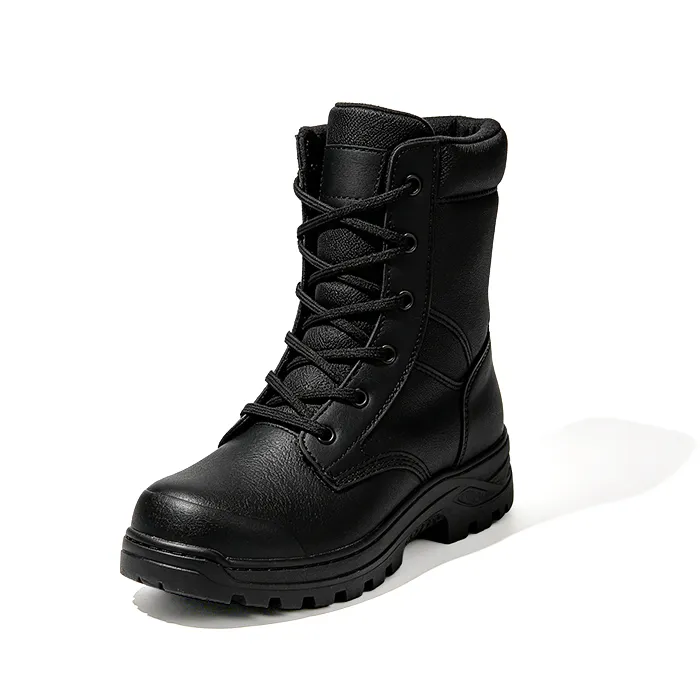
If you are interested in learning more about our firefighting boots or have any questions about their mold and mildew resistance, please feel free to contact us. We would be happy to discuss your specific needs and provide you with more information about our products.
Light-duty Fire Pump References
- ASTM International. (2023). ASTM standards related to footwear safety and performance.
- National Fire Protection Association (NFPA). (2023). NFPA standards for firefighting personal protective equipment.
- Textile Research Institute. (2023). Research on antimicrobial treatments for textiles.
Zhenjiang Linhao Forest Fire Prevention Equipment Co., Ltd.
Zhenjiang Linhao Forest Fire Prevention Equipment Co., Ltd. is one of the most reliable manufacturers and suppliers of firefighting boots in China, featured by quality products and low price. Please rest assured to wholesale customized firefighting boots from our factory. Contact us for quotation and free sample.
Address: No.16,Fenghuangshan Road, Runzhou District, Zhenjiang City, Jiangsu Province
E-mail: lh@lhfirefighting.com
WebSite: https://www.lhfirefighting.com/
