As a seasoned supplier in the LNG fueling station industry, I’ve witnessed firsthand the remarkable growth and transformation of this sector. The demand for liquefied natural gas (LNG) as a clean and efficient alternative fuel has been on the rise, driven by environmental concerns and the need for sustainable energy solutions. In this blog post, I’ll delve into the essential construction materials used in an LNG fueling station, shedding light on their significance and the role they play in ensuring the safety and functionality of these facilities. LNG Fueling Station
Storage Tanks
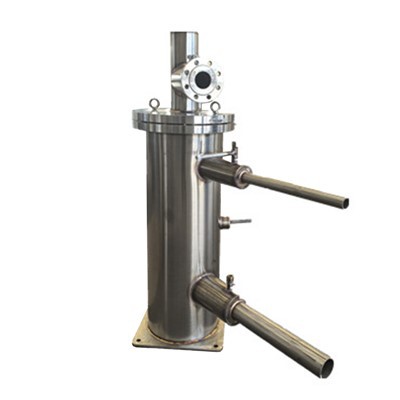
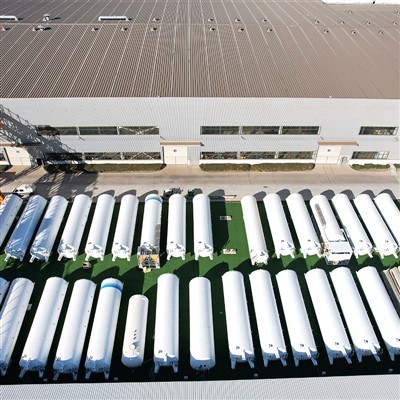
At the heart of every LNG fueling station lies the storage tank, a critical component responsible for holding and preserving the liquefied natural gas at extremely low temperatures. These tanks are typically made of high-strength steel, chosen for its durability, resistance to corrosion, and ability to withstand the extreme conditions associated with LNG storage. The steel used in these tanks is carefully selected and undergoes rigorous testing to ensure its integrity and reliability.
In addition to the steel shell, LNG storage tanks are also equipped with a layer of insulation to minimize heat transfer and maintain the low temperature of the LNG. This insulation is typically made of materials such as polyurethane foam or perlite, which have excellent thermal properties and can effectively reduce heat loss. The insulation layer is crucial for preventing the LNG from boiling off and maintaining its liquid state, ensuring the safe and efficient operation of the fueling station.
Piping and Valves
Piping and valves are another essential component of an LNG fueling station, responsible for transporting the LNG from the storage tank to the dispensing units. These components are typically made of stainless steel or other corrosion-resistant materials, chosen for their ability to withstand the harsh conditions associated with LNG transportation, including low temperatures, high pressures, and corrosive environments.
The piping used in an LNG fueling station is designed to meet strict safety standards and regulations, ensuring the safe and efficient flow of LNG throughout the system. The pipes are typically insulated to minimize heat transfer and prevent the LNG from boiling off, and they are also equipped with various safety features, such as pressure relief valves and emergency shut-off valves, to prevent accidents and ensure the safety of the operators and the surrounding environment.
Dispensing Units
The dispensing units are the interface between the LNG fueling station and the vehicles, responsible for transferring the LNG from the storage tank to the vehicle’s fuel tank. These units are typically made of high-strength materials, such as stainless steel or aluminum, chosen for their durability, resistance to corrosion, and ability to withstand the high pressures associated with LNG dispensing.
The dispensing units are equipped with various components, such as flow meters, pressure gauges, and nozzles, to ensure the accurate and efficient transfer of LNG. The flow meters are used to measure the amount of LNG being dispensed, while the pressure gauges are used to monitor the pressure of the LNG in the system. The nozzles are designed to fit the vehicle’s fuel tank and ensure a secure and leak-free connection.
Electrical and Control Systems
The electrical and control systems are another critical component of an LNG fueling station, responsible for powering the various equipment and systems in the station and ensuring their safe and efficient operation. These systems typically include electrical panels, switchgear, motors, and control devices, all of which are designed to meet strict safety standards and regulations.
The electrical and control systems are also equipped with various safety features, such as emergency stop buttons, fire alarms, and gas detectors, to prevent accidents and ensure the safety of the operators and the surrounding environment. These safety features are constantly monitored and tested to ensure their reliability and effectiveness.
Structural Materials
In addition to the above components, an LNG fueling station also requires various structural materials to support the storage tanks, piping, and other equipment. These materials typically include steel beams, columns, and foundations, as well as concrete slabs and walls.
The structural materials are designed to withstand the weight and forces associated with the operation of the fueling station, as well as the environmental conditions, such as wind, snow, and earthquakes. The steel beams and columns are typically made of high-strength steel, chosen for their durability and ability to support heavy loads. The concrete slabs and walls are used to provide a stable foundation for the storage tanks and other equipment, as well as to protect them from the elements.
Conclusion
In conclusion, the construction of an LNG fueling station requires a wide range of materials, each of which plays a crucial role in ensuring the safety and functionality of the facility. From the high-strength steel used in the storage tanks to the corrosion-resistant materials used in the piping and valves, every component is carefully selected and designed to meet the strict safety standards and regulations associated with the LNG industry.
As a supplier of LNG fueling stations, I understand the importance of using high-quality materials and ensuring the reliability and safety of our products. We work closely with our customers to understand their specific needs and requirements, and we provide them with customized solutions that meet their exact specifications.
Cryogenic Pressure Vessel If you’re interested in learning more about our LNG fueling stations or would like to discuss your specific needs and requirements, please don’t hesitate to contact us. We look forward to the opportunity to work with you and help you build a safe and efficient LNG fueling station.
References
- "Liquefied Natural Gas (LNG) – A Guide to the Storage and Handling of LNG," International Gas Union (IGU).
- "LNG Fueling Infrastructure: Design, Construction, and Operation," American Petroleum Institute (API).
- "Safety Standards for LNG Fueling Stations," National Fire Protection Association (NFPA).
Tianjin Baiyan Technology Co., Ltd.
With abundant experience, we are one of the most professional lng fueling station manufacturers and suppliers in China. We warmly welcome you to buy customized lng fueling station made in China here from our factory. If you have any enquiry about pricelist and quotation, please feel free to email us.
Address: No. 36, Jixian Road, Shuangqiaohe Development Zone, Jinnan District, Tianjin, China
E-mail: sales@tjbaiyan.com
WebSite: https://www.baiyan-tech.com/
