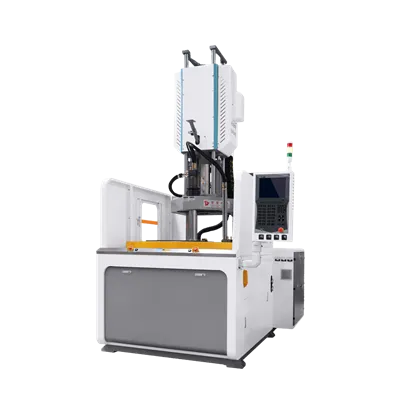
In the manufacturing industry, the scrap rate of products is a critical metric that directly impacts a company’s profitability and operational efficiency. As a supplier of Rotary Table Injection Molding Machines, I understand the importance of minimizing scrap rates for our customers. In this blog post, I will share some insights and strategies on how to reduce the scrap rate of products produced by a Rotary Table Injection Molding Machine. Rotary Table Injection Molding Machine
Understanding the Causes of Scrap in Rotary Table Injection Molding
Before we delve into the solutions, it’s essential to understand the common causes of scrap in rotary table injection molding. Here are some of the primary factors:
- Mold Design Issues: A poorly designed mold can lead to various problems such as uneven filling, air traps, and flash. These issues can result in defective parts that need to be scrapped.
- Incorrect Processing Parameters: Incorrect settings for temperature, pressure, injection speed, and cooling time can affect the quality of the molded parts. For example, if the temperature is too high, the plastic may degrade, while if it’s too low, the part may not fill properly.
- Material Quality: The quality of the plastic material used can also have a significant impact on the scrap rate. Contaminated or inconsistent materials can cause defects in the molded parts.
- Machine Maintenance: A poorly maintained injection molding machine can lead to various problems such as inconsistent shot sizes, leaks, and wear and tear on components. These issues can result in defective parts and increase the scrap rate.
- Operator Error: Inexperienced or careless operators can make mistakes such as incorrect mold setup, improper handling of the machine, and failure to follow the correct processing parameters. These mistakes can lead to defective parts and increase the scrap rate.
Strategies to Reduce the Scrap Rate
Now that we understand the common causes of scrap in rotary table injection molding, let’s explore some strategies to reduce the scrap rate:
1. Optimize Mold Design
- Conduct a Mold Flow Analysis: Before manufacturing the mold, conduct a mold flow analysis to simulate the filling process and identify potential problems such as air traps, uneven filling, and weld lines. This analysis can help optimize the mold design and ensure proper filling of the mold cavity.
- Use High – Quality Mold Materials: High – quality mold materials can withstand the high pressures and temperatures of the injection molding process, reducing the risk of mold wear and tear. This can result in more consistent part quality and fewer defects.
- Design for Ease of Maintenance: The mold should be designed in a way that allows for easy cleaning, inspection, and maintenance. This can help prevent the buildup of contaminants and ensure the mold operates at its optimal performance.
2. Set Correct Processing Parameters
- Conduct Process Validation: Before starting production, conduct a process validation to determine the optimal processing parameters for the specific plastic material and part design. This involves running a series of test shots and adjusting the parameters until the desired part quality is achieved.
- Monitor and Control Process Parameters: During production, continuously monitor and control the processing parameters such as temperature, pressure, injection speed, and cooling time. Use sensors and automation systems to ensure that the parameters remain within the specified ranges.
- Make Adjustments Based on Part Quality: Regularly inspect the molded parts and make adjustments to the processing parameters as needed. For example, if the parts are showing signs of over – filling, reduce the injection speed or pressure.
3. Ensure Material Quality
- Source High – Quality Materials: Work with reputable suppliers to source high – quality plastic materials. Ensure that the materials meet the required specifications and are free from contaminants.
- Store Materials Properly: Store the plastic materials in a clean, dry environment to prevent moisture absorption and contamination. Follow the manufacturer’s recommendations for storage temperature and humidity.
- Dry the Materials if Necessary: Some plastic materials require drying before use to remove moisture. Use a proper drying system and follow the recommended drying time and temperature to ensure the materials are properly dried.
4. Maintain the Injection Molding Machine
- Follow a Regular Maintenance Schedule: Develop and follow a regular maintenance schedule for the rotary table injection molding machine. This includes tasks such as cleaning, lubricating, and inspecting the machine components.
- Replace Worn – Out Parts Promptly: Regularly inspect the machine components for wear and tear and replace any worn – out parts promptly. This can help prevent breakdowns and ensure the machine operates at its optimal performance.
- Train Operators on Machine Maintenance: Provide training to the operators on basic machine maintenance tasks such as cleaning, lubricating, and changing filters. This can help them identify potential problems early and take appropriate action.
5. Train and Educate Operators
- Provide Comprehensive Training: Provide comprehensive training to the operators on the operation of the rotary table injection molding machine, including mold setup, processing parameter adjustment, and part inspection. Ensure that the operators are familiar with the machine’s safety features and procedures.
- Encourage Continuous Learning: Encourage the operators to continuously learn and improve their skills. Provide opportunities for them to attend training courses and workshops on injection molding technology and best practices.
- Implement a Quality Control System: Implement a quality control system that includes regular part inspections and operator feedback. Encourage the operators to report any quality issues immediately so that corrective action can be taken.
Case Studies
Let’s take a look at some real – world examples of how these strategies have been implemented to reduce the scrap rate in rotary table injection molding:
- Case Study 1: A consumer goods manufacturer was experiencing a high scrap rate of approximately 15% for a particular part produced on a rotary table injection molding machine. After conducting a mold flow analysis, they identified a problem with the gating system. They redesigned the gating system, which improved the filling of the mold cavity and reduced the scrap rate to less than 5%.
- Case Study 2: An automotive parts manufacturer was facing issues with inconsistent part quality due to incorrect processing parameters. They implemented a process validation program and used automation systems to monitor and control the processing parameters. As a result, they were able to reduce the scrap rate from 8% to 2%.
Conclusion

Reducing the scrap rate of products produced by a rotary table injection molding machine requires a comprehensive approach that addresses mold design, processing parameters, material quality, machine maintenance, and operator training. By implementing the strategies outlined in this blog post, manufacturers can significantly reduce the scrap rate, improve product quality, and increase profitability.
Slide Table Vertical Injection Moulding Machine If you are interested in learning more about how our Rotary Table Injection Molding Machines can help you reduce your scrap rate and improve your manufacturing efficiency, please feel free to reach out to us for a detailed discussion and potential procurement. Our team of experts is ready to assist you in finding the best solutions for your specific needs.
References
- Rosato, D. V., & Rosato, D. V. (2004). Injection Molding Handbook. Springer Science & Business Media.
- Beaumont, J. P. (2000). Mold-Flow Analysis: The Essential Tool for Injection Molding. Hanser Gardner Publications.
- Throne, J. L. (1996). Polymer Rheology in Manufacturing. Marcel Dekker.
Guangdong Baizan Intelligent Equipment Co., Ltd.
We are one of the most professional rotary table injection molding machine manufacturers and suppliers in China. We warmly welcome you to buy customized rotary table injection molding machine at competitive price from our factory. If you have any enquiry about pricelist and quotation, please feel free to email us.
Address: No.8, Jianye Road, Dahuai Town, Enping City, Jiangmen City, Guangdong
E-mail: wjx@baizanjx.com
WebSite: https://www.baizanplast.com/
