Hey there! I’m a supplier of Agricultural Bulk Containers, and I’ve been getting a lot of questions lately about whether these containers can be stacked safely. So, I thought I’d take a bit of time to dig into this topic and share what I’ve learned over the years in the business. Agricultural Bulk Container
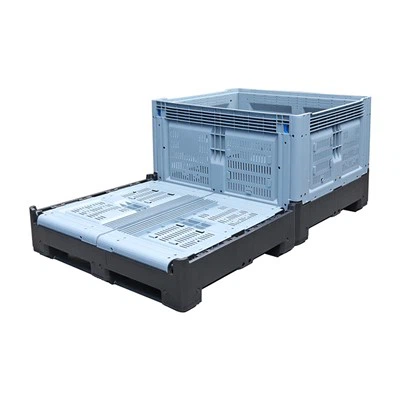
First off, let’s talk about why stacking agricultural bulk containers is a big deal. In the agricultural industry, space is often at a premium. Whether you’re a farmer storing grains, a distributor holding onto a large quantity of produce, or a processing plant with raw materials waiting to be turned into finished products, having the ability to stack containers can significantly increase your storage capacity. It’s like adding extra floors to a building without actually building more walls.
But can they be stacked safely? The short answer is yes, but there are a bunch of factors that come into play.
Container Design and Quality
The design and quality of the agricultural bulk containers are crucial. Good – quality containers are built with stacking in mind. They usually have features like interlocking mechanisms or reinforced corners. For example, some of the containers we supply have a special locking system on the top and bottom. When you stack one container on top of another, these locks fit together snugly, making sure the containers stay in place.
The material of the container also matters. Most of our containers are made from high – density polyethylene (HDPE). This material is strong, durable, and resistant to the elements. It can withstand the weight of other containers stacked on top of it without cracking or deforming easily. But not all HDPE is created equal. We use a high – grade version that has been tested to meet strict quality standards.
Weight and Weight Distribution
One of the most important things to consider when stacking agricultural bulk containers is the weight. You can’t just haphazardly pile them up. You need to know how much weight each container can handle. Every container has a maximum load capacity, and it’s essential to stay within that limit.
Let’s say you’re stacking containers filled with grains. Grains can be heavy, and if you overfill the containers or stack too many heavy – loaded ones on top of each other, you’re asking for trouble. You also need to pay attention to weight distribution. Make sure the contents of the container are evenly spread out. If one side of the container is much heavier than the other, it can cause the stack to become unstable, increasing the risk of it toppling over.
Stacking Height and Configuration
How high you stack the containers is another key factor. There’s a limit to how many containers you can stack safely. In most cases, it’s recommended not to stack more than three or four containers high. The higher the stack, the more unstable it becomes, especially if there are any external forces at play, like strong winds or vibrations.
The configuration of the stack is also important. You should try to stack the containers in a way that the center of gravity remains stable. A pyramid – like configuration is often a good option. Start with a wider base and gradually reduce the number of containers as you go up. This helps to keep the stack balanced and reduces the chance of it falling.
Environmental Conditions
The environment where the containers are being stacked can have a huge impact on safety. If you’re stacking the containers outdoors, you need to consider factors like wind, rain, and temperature changes. Strong winds can exert a lot of force on the stack, especially if it’s tall. Make sure the area where you’re stacking the containers is sheltered from strong winds as much as possible.
Rain and moisture can also be a problem. If the containers aren’t properly sealed, water can get inside, adding extra weight and potentially damaging the contents. And extreme temperature changes can cause the material of the containers to expand and contract, which might affect their structural integrity over time.
Inspection and Maintenance
Regular inspection and maintenance are vital for safe stacking. Before you stack the containers, check them for any signs of damage, such as cracks, splits, or worn – out locking mechanisms. If you find any issues, don’t use the container. Repair or replace it instead.
During the time the containers are stacked, keep an eye on them. Make sure the stack remains stable and there are no visible signs of stress or damage. If you notice anything unusual, like a container starting to lean or a lock coming loose, take immediate action.
Safety Equipment and Training
Using safety equipment can also enhance the safety of stacking agricultural bulk containers. For example, you can use straps or restraints to secure the stack. These can help prevent the containers from shifting or falling in case of an unexpected event.
And don’t forget about training. If you’re working in a facility where containers are being stacked, the staff should be trained on proper stacking procedures. They need to know how to handle the containers, how to check for damage, and what to do in case of an emergency.
Real – World Examples
I’ve seen it all in my years as a supplier. I remember one farm that was stacking our containers filled with corn. They followed all the guidelines we provided. They made sure to evenly distribute the corn in the containers, stacked them in a stable configuration, and inspected them regularly. As a result, they were able to safely stack the containers three high for months without any problems.
On the other hand, I also had a customer who didn’t pay enough attention to weight distribution. They overfilled the containers and stacked them without thinking about the balance. Unfortunately, one day, the stack toppled over, causing a mess and damaging some of the containers. It was a costly lesson, but it shows how important it is to follow the safety rules.
Conclusion
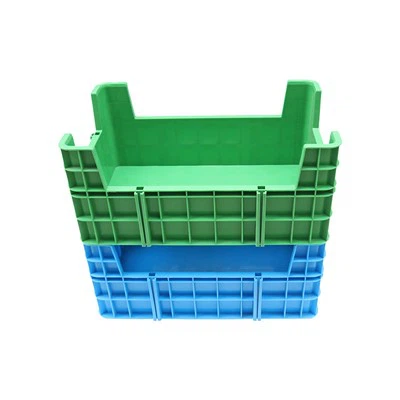
So, to sum it all up, agricultural bulk containers can be stacked safely, but it requires a combination of good – quality containers, proper planning, and regular maintenance. By paying attention to factors like container design, weight, stacking height, environmental conditions, and safety procedures, you can ensure that your stack of containers stays stable and secure.
Rigid Pallet Box If you’re in the market for high – quality agricultural bulk containers, I’d love to have a chat with you. Whether you’re a small – scale farmer or a large – scale distributor, we have the right containers to meet your needs. Feel free to reach out and we can discuss your specific requirements and how our containers can help you optimize your storage space safely.
References
- Agricultural Container Standards Handbook by the Agricultural Packaging Association
- Handbook on Material Storage and Handling in the Agricultural Industry
Shanghai Qusheng Plastics Co., Ltd.
As one of the leading agricultural bulk container manufacturers and suppliers in China, we have world-leading production equipment and strong manufacturing capabilities. Please rest assured to wholesale customized agricultural bulk container from our factory. For quotation, contact us now.
Address: No.85 Hengtang Road, Huaqiao Town, Kunshan City, Jiangsu Province
E-mail: Totepallet-inquiry@plastic-crate.com
WebSite: https://www.totepallet.com/
